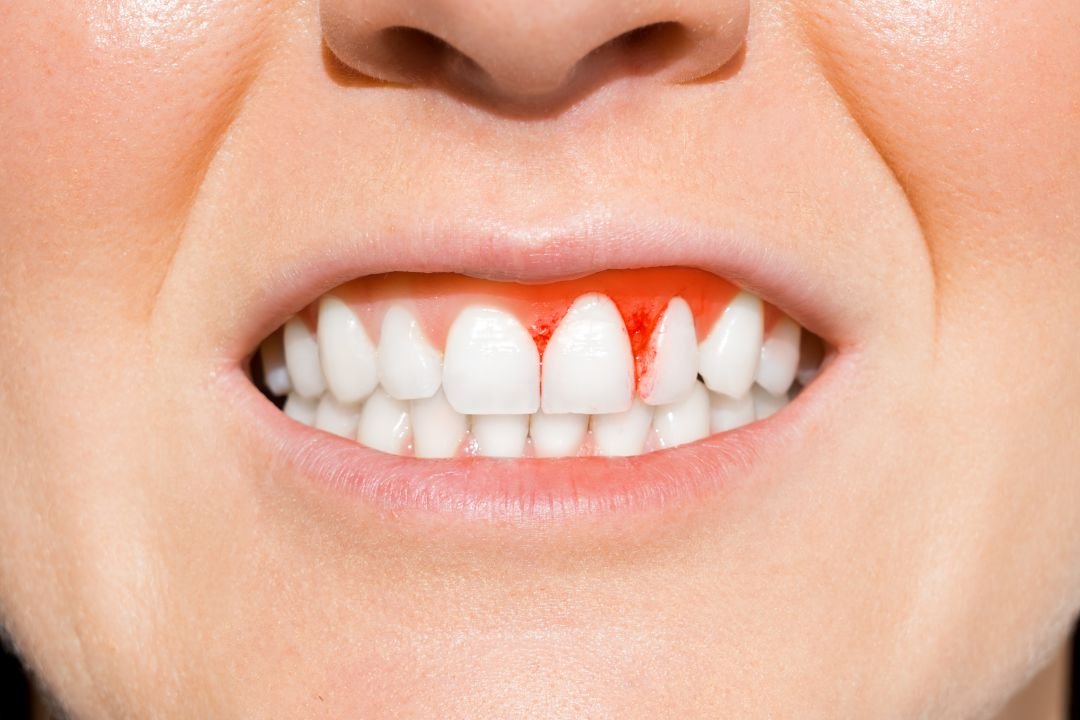
Bleeding gums is a common oral health issue that many people experience, and it can be a sign of underlying dental problems. Even when some bleeding is common, persistent or severe bleeding needs to be treated properly and quickly. This article discusses the causes, symptoms, and available treatments for bleeding gums along with the need of keeping proper oral hygiene to avoid this problem.
Causes of Gums Bleeding
Many factors might be the reason for bleeding gums, such as:
Developing Plaque and Gingivitis
Plaque, a sticky coating of bacteria that develops on teeth, is one of the most frequent reasons for bleeding gums. Gum irritation and inflammation, or gingivitis, can result from plaque hardening and becoming tartar when it is not removed by appropriate brushing and flossing. The first stage of gum disease, gingivitis is typified by red, puffy, and bleeding gums.
Improper Oral Hygiene
Irregular brushing and flossing can lead to plaque buildup and the onset of gingivitis and other gum disorders.
Hormonal Changes
Pregnancy, menstruation, and some drug use can all cause hormonal variations that make the gums more sensitive and prone to bleeding.
Vitamin Deficiencies
Bleeding and other gum issues might result from vitamin C and K deficiencies, which are necessary for maintaining healthy gums.
Underlying Medical Disorders
Gum disease and bleeding gums can be more common in people with certain systemic illnesses, including diabetes, leukemia, and HIV/AIDS, which can impair the immune system.
Gum Bleeding Signs and Symptoms
Apart from the evident bleeding when flossing or brushing, there exist further signs that could point to gum disease and the necessity of dental care:
Red, Swollen, or Tender Gums
A characteristic indication of gingivitis, inflamed gums can also cause bleeding.
Receding Gums
The gums can begin to tear away from teeth as gum disease worsens, exposing more of the tooth’s surface and increasing the likelihood of bacterial buildup.
Persistent Bad Breath
The bacteria that lead to gum disease can also be involved in halitosis, or chronic bad breath.
Loose Teeth
The teeth can come loose or move positions in advanced stages of gum disease because of damage to the bone and tissues supporting the teeth.
Treatment Options For Gum Bleeding
Bleeding gums treatment options may include:
Professional Dental Cleaning
By removing plaque and tartar accumulation, a professional dental cleaning—also referred to as a scaling and root planing procedure—can assist in lessening irritation and halt bleeding.
Antibiotic Therapy
Sometimes the bacterial infection causing gum disease is controlled with the use of antibiotics.
Improved Oral Hygiene
Using an antibiotic mouthwash and brushing and flossing properly can help clear plaque and stop more gum inflammation.
Surgical Intervention
When gum disease is advanced, bone grafts or flap surgery may be required surgically to save teeth and restore gum health.
Preventive and Maintenance
Having frequent dental check-ups and cleanings together with appropriate oral hygiene practices is the best method to avoid bleeding gums and gum disease. Following are some guidelines for keeping your gums healthy:
Brush Twice Daily
Brushing your teeth twice a day with a soft-bristled toothbrush and fluoride toothpaste can help remove plaque and prevent gum disease
Floss Regularly
Flossing at least once a day is essential for removing plaque and food particles from areas that your toothbrush cannot reach.
Use an Antiseptic Mouthwash
Rinsing with an antiseptic mouthwash can help kill bacteria and reduce the risk of gum disease.
Eat a Balanced Diet
A diet rich in vitamins C and K, as well as other essential nutrients, can promote overall oral health and gum health.
Quit Smoking
Smoking is a significant risk factor for gum disease and can impair the body’s ability to heal and fight infection.
Schedule Regular Dental Check-ups
Regular dental check-ups and professional cleanings can help detect and address any issues with your gums before they become more serious.
Conclusion
Untreated bleeding of the gums might indicate more serious dental issues including periodontitis or gingivitis. Knowing the reasons behind bleeding gums and the available treatments will help you to take preventative measures to preserve your oral health and stop further problems. Recall that keeping healthy gums and a stunning smile require regular dental check-ups and good oral hygiene practices.
Don’t be afraid to consult a dentist if you have bleeding gums or other oral health problems. Our staff of skilled dentists at Dentology by Dr. Sagar is committed to providing you with individualized and thorough dental care. Make an appointment with us right now to start along the path to the best dental health and a beautiful smile.