For overall health and the appearance of a healthy smile, maintaining proper oral hygiene is crucial. As advised by Dentology by Dr. Sagar, a toothbrush is an essential part of your oral hygiene regimen, but there are so many options to choose from which can be confusing. However, you may choose the best toothbrush for your oral hygiene routine by taking into account important elements like handle comfort, brush head size, bristle texture, and your unique dental demands.
Bristle Texture: The Key to Gentle Cleaning
Dentists advise using soft bristles because they gently clean your teeth and gums while also effectively removing debris and plaque. They are especially crucial for people who have recently had dental work done, have sensitive teeth, or have receding gums. Dentology by Dr Sagar emphasizes the avoidance of medium or hard bristles, as they can cause damage to your tooth enamel and gum tissue over time, leading to potential oral health issues.
Brush Head Size: Choosing the Right Fit
The size of your toothbrush head should be appropriate for your mouth. A toothbrush head that is roughly half an inch wide and one inch height is ideal for the majority of adults. Smaller brush heads help ensure complete cleaning and the preservation of oral health by giving them better access to places that are hard to reach.
Handle Comfort: Ensuring a Secure Grip
Your toothbrush handle should be easy to grasp and have a firm hold even when it’s wet. To lessen hand strain, it’s critical to seek grips made with human considerations and usability in mind. Furthermore, some toothbrushes, like tongue cleaners, have extra capabilities built in to help with general dental hygiene and fresh breath.
Manual vs Electric: Selecting the Appropriate ToothBrush
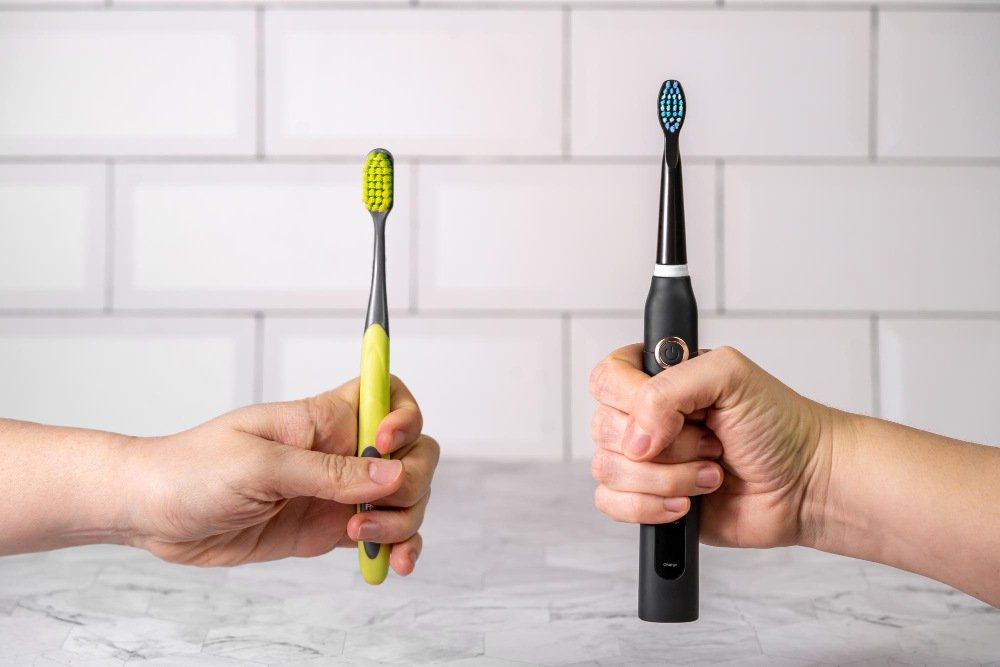
Both manual and electric toothbrushes can be useful in keeping your teeth clean and reducing plaque. However, compared to manual toothbrushes, electric toothbrushes especially ones with sonic or oscillating-rotating technology might be better at eradicating plaque. Electric toothbrushes frequently include extra features like timers and pressure sensors to guarantee that the brushing duration is sufficient.
Regular Replacement: Maintaining Optimal Effectiveness
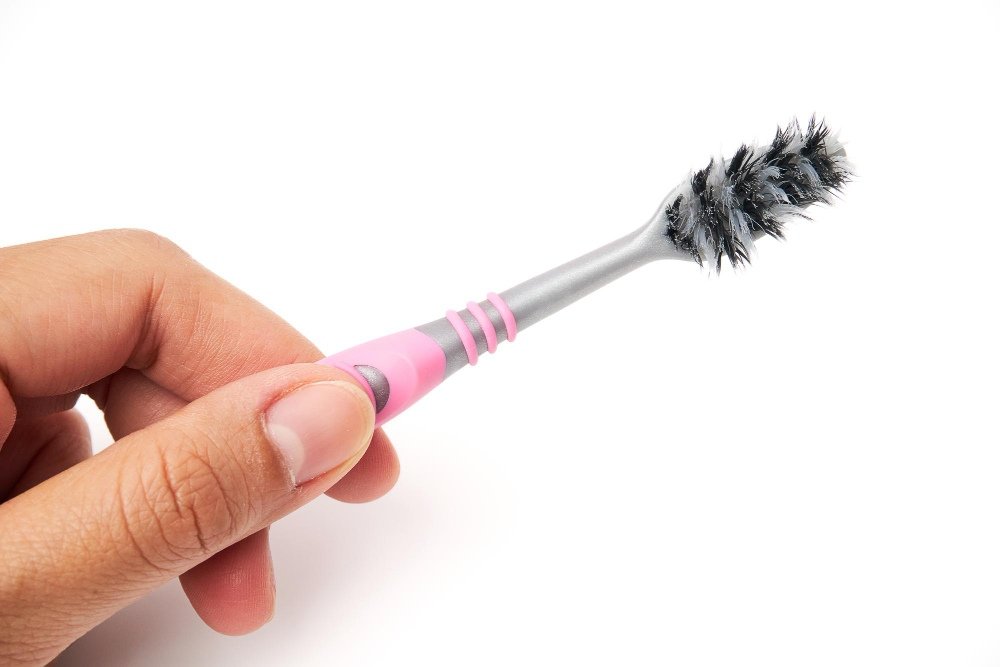
Replace the bristles on your toothbrush every three to four months, or sooner if they start to seem worn or frayed. Worn bristles can harm your gums and are less effective at eliminating plaque. To maintain the highest level of oral hygiene and stop bacteria from growing on the bristles, it is recommended that you leave your toothbrush air dry in between uses.
Tailoring Your Toothbrush to Your Specific Needs
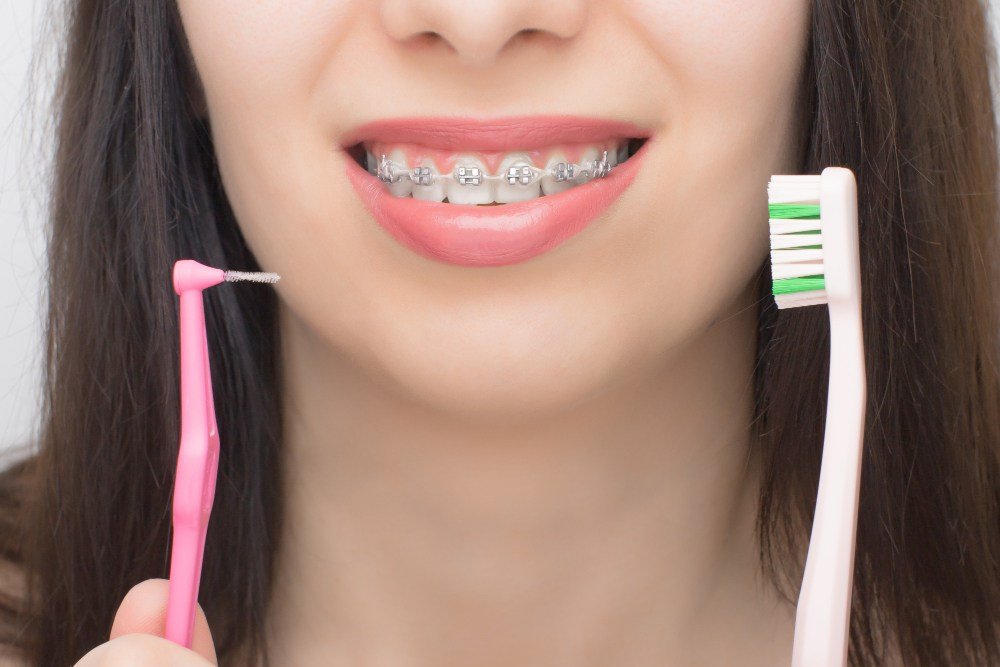
To effectively clean the areas around your brackets and wires, if you have braces, search for a toothbrush with an angled bristle design and a smaller head. Dentology by Dr. Sagar advises choosing a toothbrush with extra soft bristles or a built-in pressure sensor to prevent over-brushing for people with sensitive teeth or gums. However, those in good oral health who like a more thorough cleaning would choose a toothbrush with medium-sized bristles.
Conclusion
Selecting an appropriate toothbrush is essential for preserving oral health. To make sure you are using the best toothbrush for your dental care regimen, take into account the handle comfort, brush head size, bristle texture, and whether you prefer an electric or manual toothbrush. Recall that Dentology by Dr. Sagar believes that your smile deserves the best treatment possible.