Oral health is often surrounded by a sea of myths, and many of us unknowingly follow practices that can harm our teeth and gums. With the vast amount of online information, it can be difficult to distinguish between what’s true and what’s not. At Dentology by Dr. Sagar in Ludhiana, we are here to set the record straight and bust some of the most common oral health myths. Let’s take a closer look at these misconceptions and separate the facts from fiction.
1. Myth: Brushing Harder Cleans Better
Fact: Brushing too hard can damage your gums and enamel.

Many people believe that brushing harder will remove more plaque, but in reality, this can cause more harm than good. It can lead to gum recession and enamel erosion. It’s best to use a soft-bristled toothbrush and gentle, circular motions to clean your teeth effectively.
2. Myth: You Only Need to Visit the Dentist if There’s a Problem
Fact: Regular dental checkups are essential for preventive care.
Most people visit the dentist only when they experience pain or discomfort, but dental problems like cavities or gum disease often begin without noticeable symptoms. Regular dental checkups are crucial for early detection and prevention, which can save you time, money, and discomfort in the long run.
3. Myth: Sugar-Free Drinks Are Good for Your Teeth
Fact: Sugar-free doesn’t mean tooth-friendly.
Sugar-free sodas or drinks may not contain sugar, but they often have high acidity levels that can wear down tooth enamel over time. Even though these drinks might not contribute to cavities, they can still damage your teeth. It’s important to rinse your mouth with water after consuming acidic beverages.
4. Myth: You Should Avoid Flossing If Your Gums Bleed
Fact: Bleeding gums may be a sign of gum disease, but flossing helps.
If your gums bleed while flossing, it’s a sign that you may have gum disease or plaque buildup. Avoiding flossing altogether is not the solution. In fact, flossing daily helps remove plaque between teeth, which reduces inflammation and improves gum health. If the bleeding continues, it’s best to consult with a dentist for professional advice.
5. Myth: Whitening Toothpaste Will Whiten Your Teeth Significantly
Fact: Whitening toothpaste can remove surface stains but doesn’t change the color of your teeth.
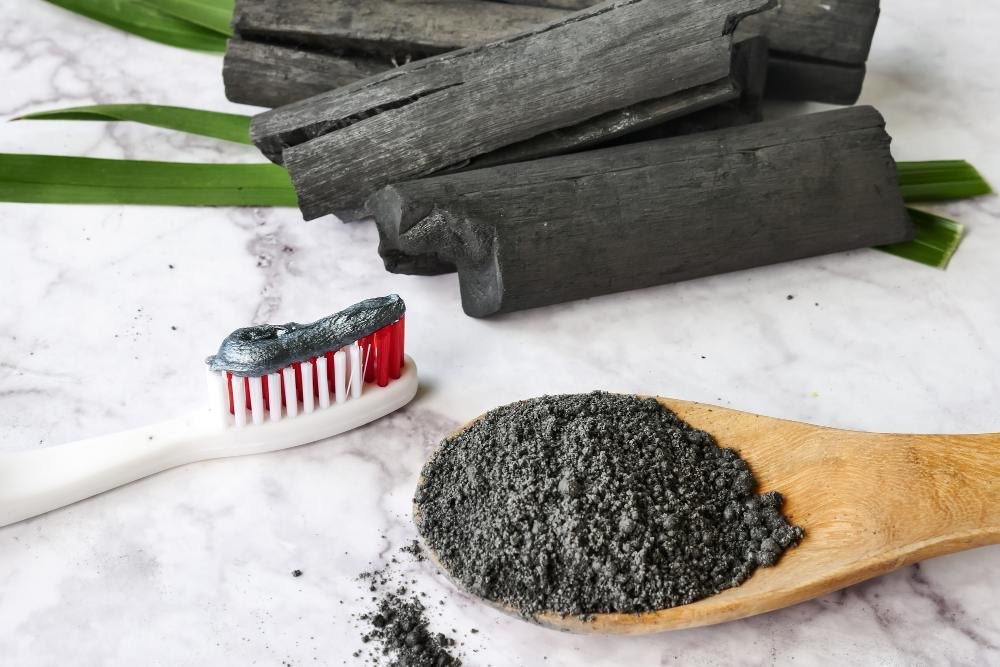
While whitening toothpaste can help reduce surface stains caused by food or drinks, it doesn’t change the natural color of your teeth. For significant whitening, you may need professional treatments from your dentist. Be cautious of over-the-counter whitening products that may cause tooth sensitivity or damage if used incorrectly.
6. Myth: You Don’t Need to Worry About Baby Teeth
Fact: Baby teeth are important for the health of permanent teeth.
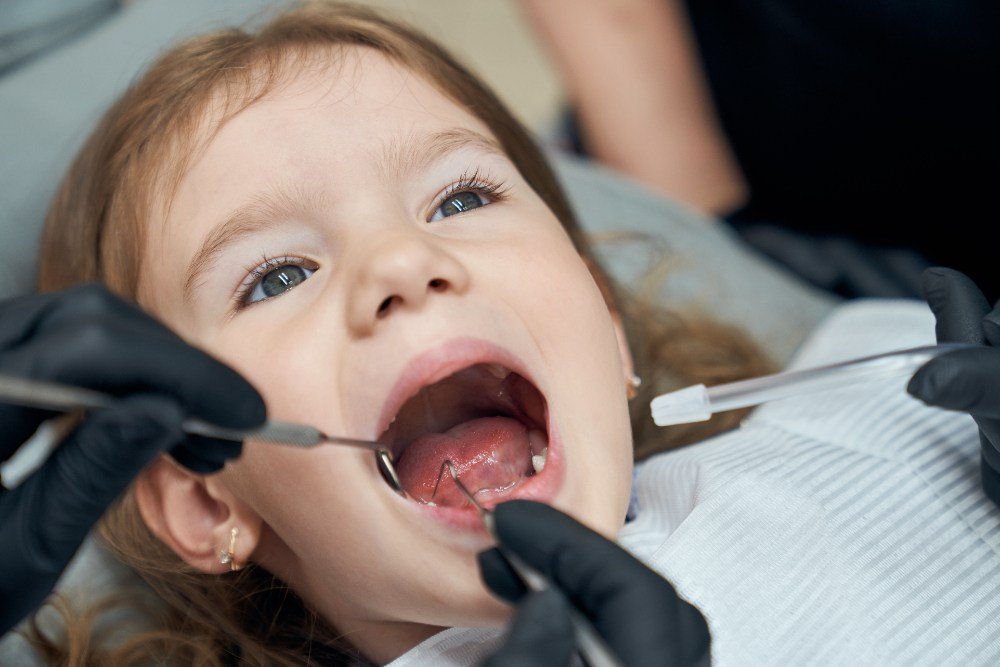
Many people believe that because baby teeth eventually fall out, they don’t require much care. However, maintaining healthy baby teeth is crucial for the development of permanent teeth. Poor oral hygiene during childhood can lead to tooth decay, infections, and even misalignment in permanent teeth. Ensure your child has a good oral hygiene routine from an early age to set them up for a healthy smile.
7. Myth: Dental scaling or cleaning will weaken or loosen the teeth.
Fact: Professional dental cleaning strengthens your oral health.
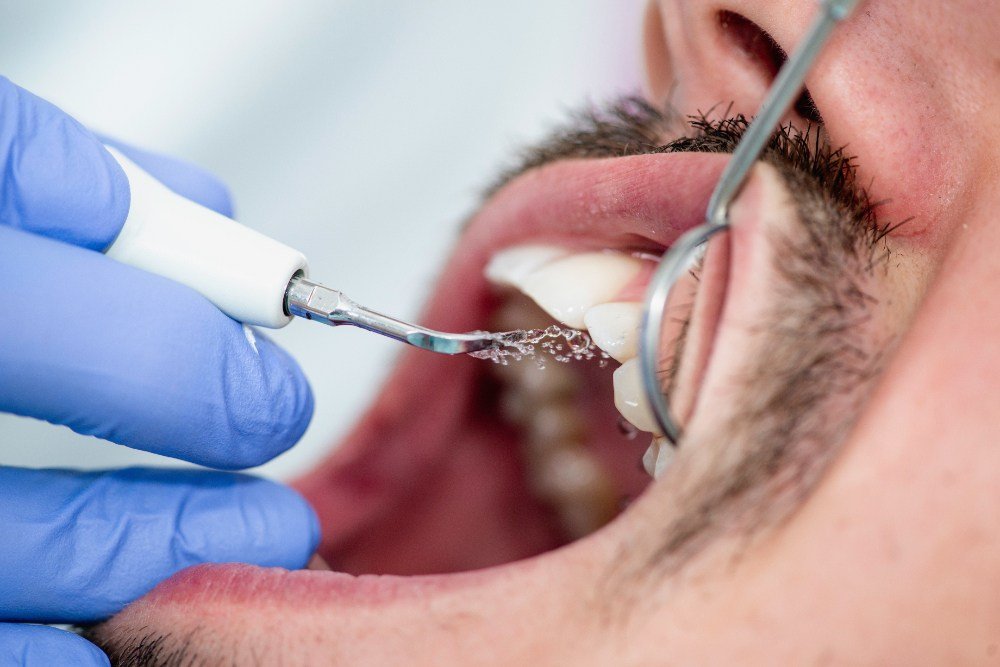
Many people believe that dental scaling can loosen teeth, but this is not true. Scaling removes plaque, tartar, and bacteria, preventing gum disease. If your teeth feel slightly loose after cleaning, it’s usually because tartar buildup was previously holding them together. Regular cleanings help maintain strong and healthy teeth.
8. Myth: Tooth extraction affects eyesight.
Fact: There is no connection between tooth extraction and eyesight.
A common myth suggests that removing a tooth, especially an upper tooth, can affect vision. However, there is no scientific evidence to support this claim. Tooth extraction is a safe dental procedure and does not have any impact on eyesight. If you have concerns, consult your dentist for clarification.
9. Myth: Cavities can be cured without treatment.
Fact: Once a cavity forms, it requires professional treatment.
Cavities do not heal on their own. Some believe that diet changes or natural remedies can reverse cavities, but once the enamel is damaged, professional treatment like fillings is needed. Delaying treatment can lead to bigger problems, such as infections or tooth loss. Good oral hygiene and regular dental visits can prevent cavities from forming in the first place.
10. Myth: Only Sugar Causes Cavities
Fact: It’s not about avoiding sugary foods but about maintaining balance and good hygiene.
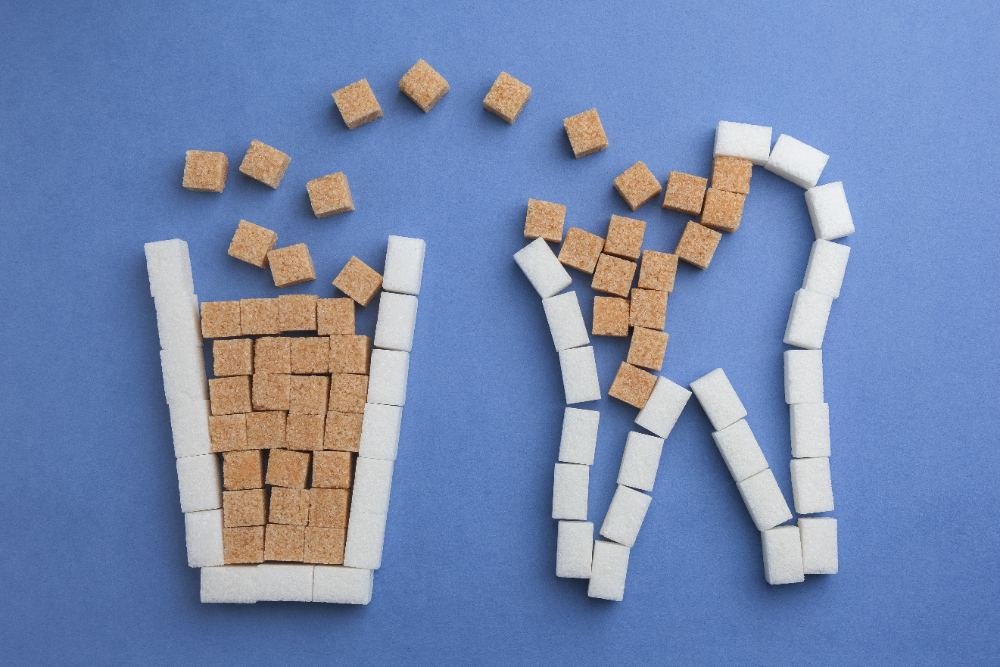
While sugary and sticky foods can contribute to cavities, focusing on overall oral hygiene is more important than completely avoiding specific foods. A balanced diet, proper brushing, and flossing are key to preventing cavities. Foods like cheese, leafy greens, and apples can help clean your teeth naturally.
Conclusion
It’s important to be aware of common oral health myths so that you can take the right steps toward maintaining a healthy and beautiful smile. If you have any doubts or concerns about your oral hygiene, don’t hesitate to consult the experts at Dentology by Dr. Sagar in Ludhiana. Regular checkups, good habits, and accurate information are all key to achieving optimal oral health.
Visit us today for a thorough dental checkup and personalized advice on how to care for your teeth and gums. Let Dr. Sagar & his team guide you toward better oral health with the right facts and the best care. Book your appointment now at Dentology by Dr. Sagar.