When you visit a dentist with a damaged or painful tooth, one of the first questions that comes to mind is, “Can this tooth be saved?” For many patients, the idea of losing a tooth feels stressful, and understandably so. Natural teeth are always valuable, not just for chewing and speaking, but also for maintaining jawbone strength and the overall balance of your smile.
At Dentology by Dr. Sagar, Ludhiana, we always aim to save a natural tooth whenever possible. However, there are times when removing a tooth is the healthier and more predictable choice. The decision is never rushed. It is based on careful examination, long-term prognosis, and what will truly benefit your oral health.
Why Saving a Natural Tooth Is Always the First Choice
Your natural teeth are designed to work perfectly with your bite, gums, and jawbone. Whenever a tooth can be treated and restored successfully, preserving it is usually the best option.
Benefits of saving a natural tooth include:
- Keeping your bite stable
- Preserving natural chewing ability
- Maintaining jawbone stimulation
- Preventing neighboring teeth from shifting
- Avoiding more complex replacement procedures
Saving a tooth is not just about avoiding extraction. It is about protecting the health and function of your entire mouth.
When a Tooth Can Be Saved
Thanks to modern dentistry, many teeth that look badly damaged can still be restored. The key factor is how much healthy tooth structure and support remains.
A tooth can often be saved if it has:
- A cavity that has not destroyed the entire tooth
- A crack or chip that can be restored
- A deep infection treatable with root canal therapy
- Gum support that is still stable
- Enough healthy structure to hold a crown or filling
In many cases, a tooth that is painful or infected does not automatically need to be removed. It may simply need the right treatment at the right time.
Common ways we save a tooth include:
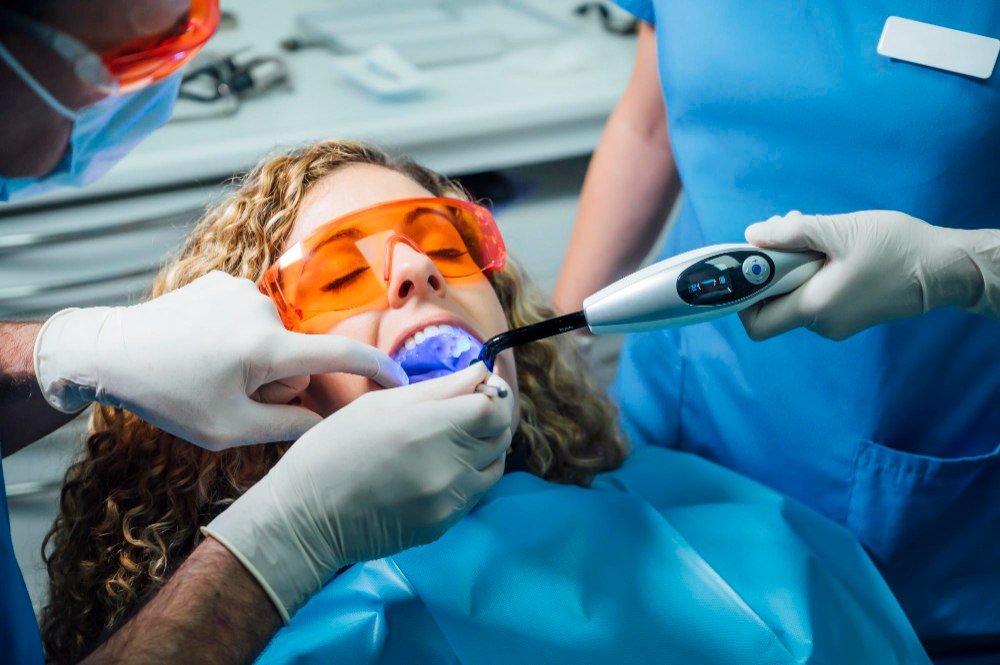
- Tooth-colored fillings
- Root canal treatment
- Dental crowns
- Deep cleaning or gum therapy
- Reinforcement with post and core restorations
The sooner treatment begins, the better the chances of saving the tooth.
When Tooth Removal Becomes the Better Option
While saving a tooth is ideal, there are situations where removing it is actually the safer and smarter decision.
A tooth may need extraction if:
- It is broken below the gum line
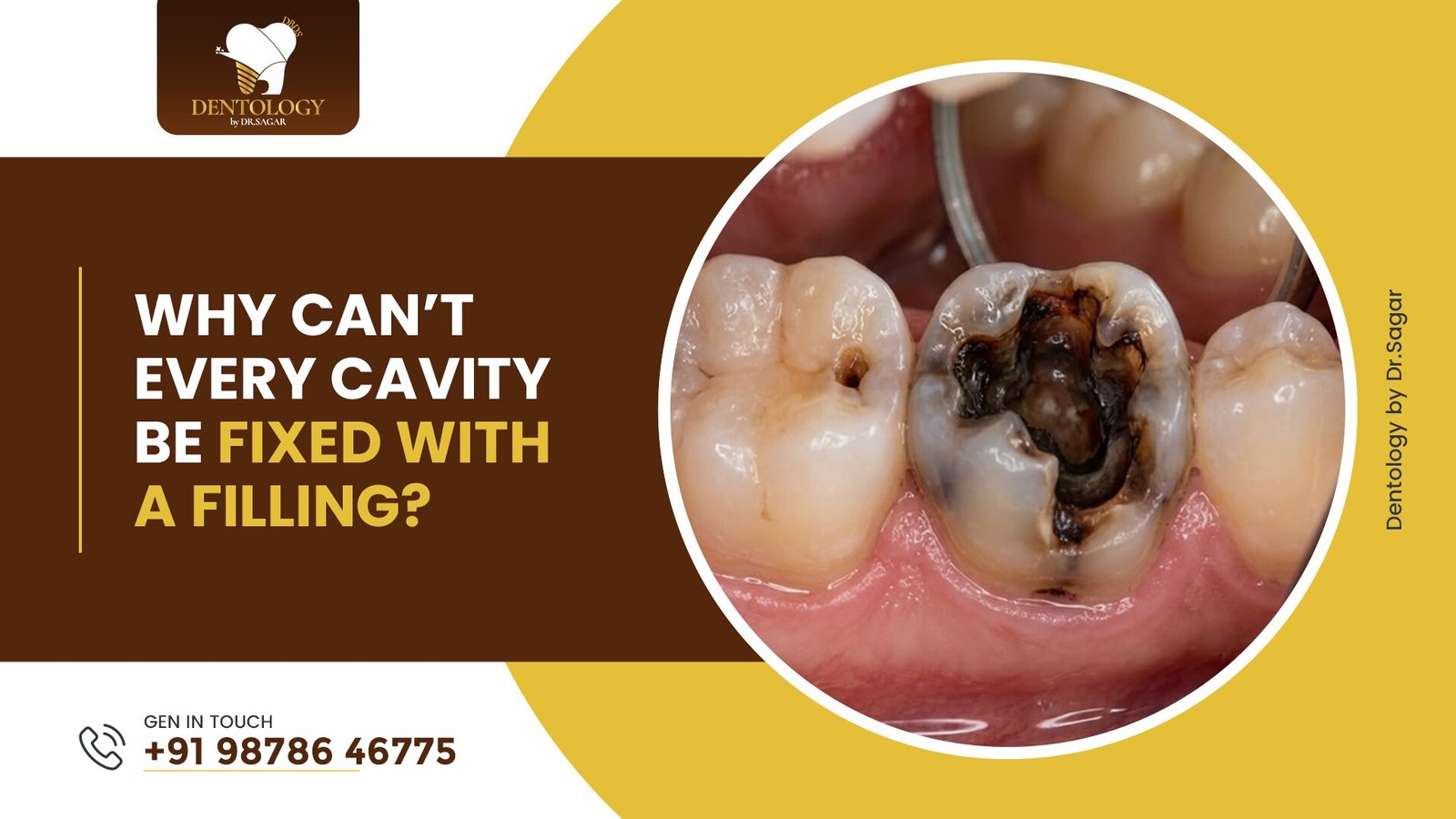
- Most of the tooth structure has been destroyed by decay
- There is a severe infection that cannot be predictably treated
- The tooth is very loose due to advanced gum disease
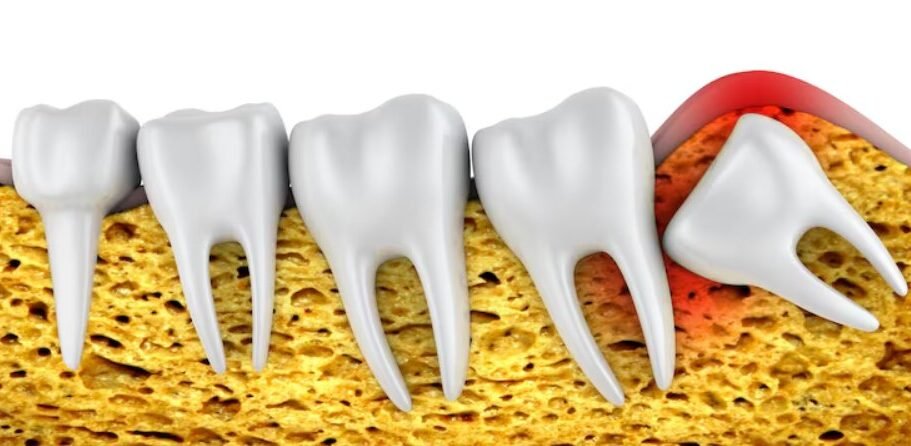
- It is impacted or causing pressure on nearby teeth
- It cannot function properly even after treatment
In some cases, trying to save a hopeless tooth may lead to repeated pain, infection, and additional costs. Removing the tooth and replacing it properly may offer a much more reliable long-term solution.
How Dentists Decide the Fate of a Tooth
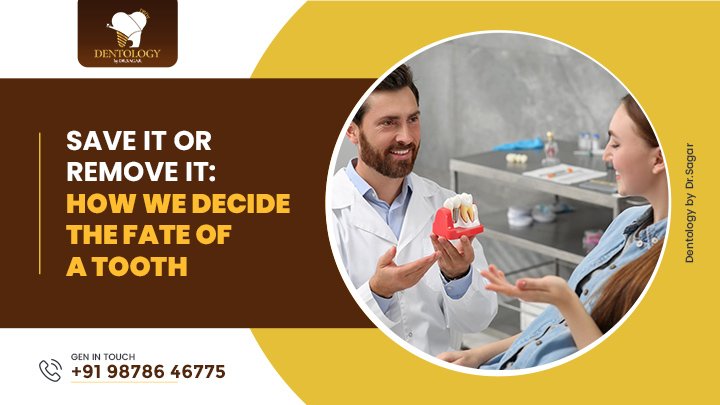
At Dentology by Dr. Sagar, Ludhiana, we make this decision through a careful and complete evaluation.
We assess several important factors:
1. Tooth Structure
We check how much healthy tooth is left and whether it is strong enough to support treatment.
2. Root Condition
The roots must be stable and healthy enough to support the tooth long-term.
3. Infection Level
If the infection is too severe or has spread significantly, treatment options may become limited.
4. Gum and Bone Support
A tooth needs healthy surrounding bone and gums to survive.
5. Long-Term Prognosis
We do not just look at whether a tooth can be treated today. We consider whether it will remain functional and healthy for years to come.
This approach helps us choose what is best for your health, not just what seems easiest in the moment.
What Happens If a Tooth Must Be Removed?
If a tooth cannot be saved, the next important step is replacing it. Leaving a gap in your mouth can lead to shifting teeth, bite problems, bone loss, and changes in facial appearance.
Replacement options include:
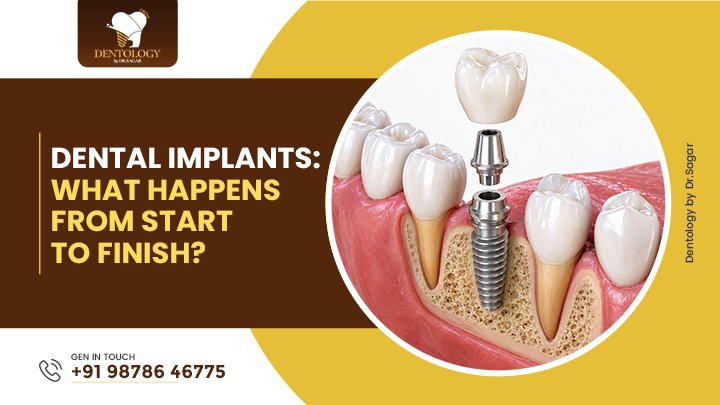
- Dental Implants
- Dental Bridges
- Partial Dentures
At Dentology, we help patients choose the right replacement option based on comfort, function, aesthetics, and long-term durability.
The Sooner You Visit, the More We Can Save
One of the biggest reasons teeth are lost is delay. Many people wait until the pain becomes severe or the tooth becomes visibly damaged. Unfortunately, by then, treatment options may be more limited.
If you are dealing with a damaged, infected, or painful tooth, do not wait.
At Dentology by Dr. Sagar, our goal is to protect your natural smile whenever possible and guide you honestly when extraction is the healthier choice.
225R, Model Town, Ludhiana
+91 98786 46775
dentologybysagar.com
Your tooth may still be worth saving. The right diagnosis at the right time can make all the difference.
FAQs
Can every damaged tooth be saved?
No. Some teeth can be restored, while others may be too damaged or infected to survive long-term.
Is root canal better than tooth extraction?
If the tooth can be saved predictably, root canal treatment is often better because it preserves your natural tooth.
How do dentists know if a tooth is beyond saving?
Dentists evaluate the tooth structure, roots, infection level, gum support, and long-term prognosis before deciding.
What is the best replacement after tooth extraction?
Dental implants are often considered the best long-term replacement, but bridges and dentures may also be suitable.