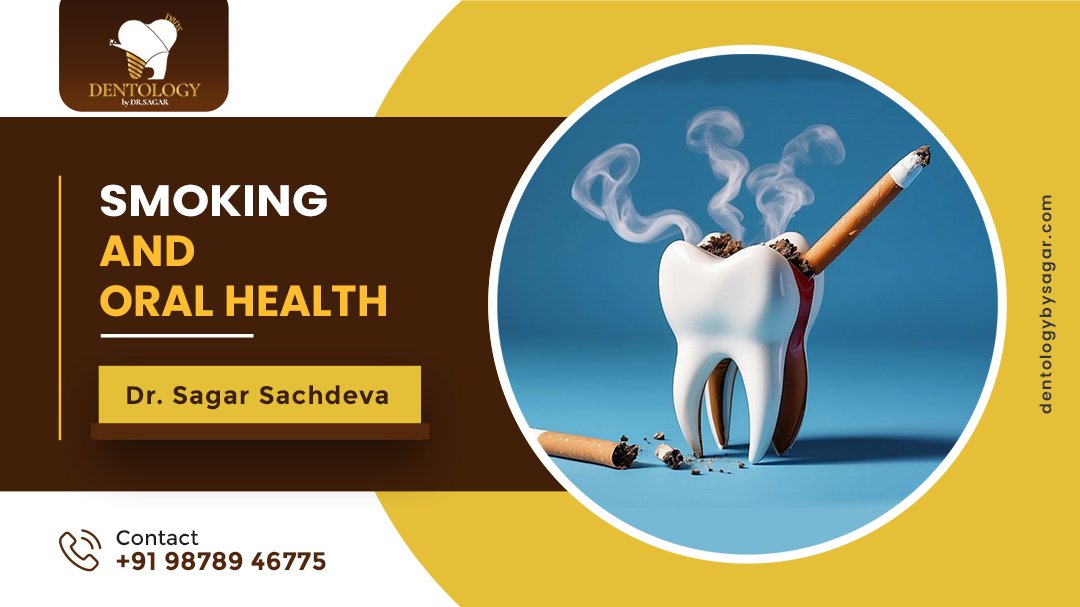
Tobacco smoking poses significant risks to oral health, and its adverse impacts on the oral cavity are well-documented. At Dentology by Dr Sagar, educating patients about these risks and providing guidance on smoking cessation strategies is crucial for promoting optimal oral health.
The Effects of Smoking on Oral Health
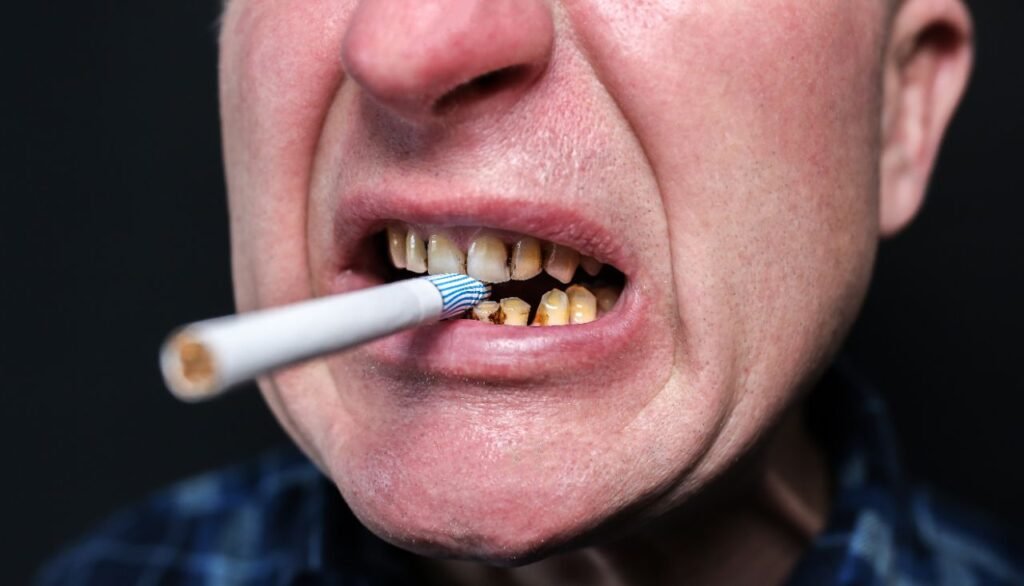
Smoking has been linked to a wide range of oral health problems, including stained and discolored teeth, bad breath, and an increased risk of developing gum disease. Smokers are more likely to experience tooth loss, as the chemicals in tobacco smoke can damage the gums and the underlying bone structure that supports the teeth.
Furthermore, smoking can impair the body’s ability to heal after dental procedures, such as tooth extractions or gum surgery. This can lead to complications, delayed healing, and an increased risk of infection.
Smoking also increases the risk of developing oral cancer, a potentially life-threatening condition that can affect the lips, tongue, cheeks, and throat. The carcinogenic compounds in tobacco smoke can directly damage the cells in the mouth, leading to the development of precancerous lesions and, eventually, cancer.
The Benefits of Quitting Smoking
Quitting smoking can have a profound and immediate impact on oral health. Within just a few days of quitting, the mouth and gums begin to heal, and the risk of developing gum disease and oral cancer starts to decrease.
Over time, the discoloration and staining of the teeth can be reversed, and the breath can become fresher and more pleasant. Additionally, the body’s ability to heal after dental procedures improves, reducing the risk of complications and infections.
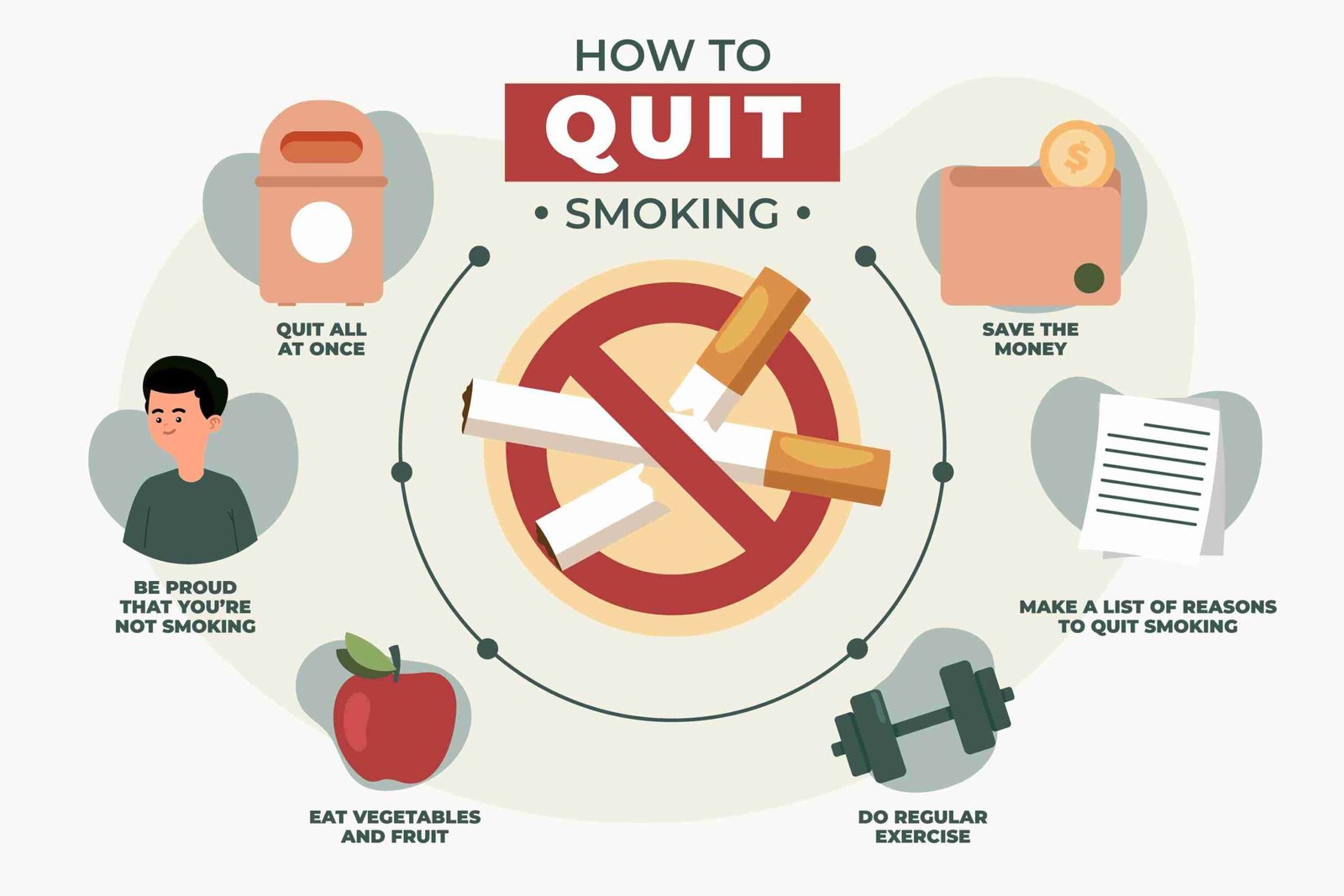
Interventions and Treatments for Quitting Smoking
Quitting smoking can be a challenging endeavor, but there are various interventions and treatments available to help smokers succeed-
Guidance of Dental Professional: One of the most effective approaches is to seek the guidance of a dental professional, such as a dentist or a health physician, who can provide personalized advice and support.
Nicotine Replacement Therapy: Nicotine replacement therapy, such as nicotine patches, gum, or lozenges, can be particularly helpful in managing the withdrawal symptoms associated with quitting smoking. These products provide a controlled dose of nicotine, which can help reduce cravings and ease the transition to a smoke-free lifestyle.
Behavioral Therapy: Behavioral therapy, such as counseling or support groups, can also be beneficial in helping smokers develop the skills and strategies needed to quit and maintain a smoke-free lifestyle. These interventions can address the psychological and social aspects of smoking, providing smokers with the tools and support they need to overcome their addiction.
Prescription Medicines: In some cases, prescription medications, such as bupropion or varenicline, may be recommended to help reduce cravings and withdrawal symptoms. These medications can be used in conjunction with other interventions, such as nicotine replacement therapy or behavioral therapy, to increase the chances of successful quitting.
Conclusion
Smoking has a significant and detrimental impact on oral health, leading to a wide range of problems, from stained teeth to the development of oral cancer. However, the good news is that quitting smoking can have immediate and long-term benefits for oral health.
At Dentology by Dr. Sagar, we play a vital role in educating our patients about the oral health risks associated with smoking and providing support and resources for those seeking to quit. By promoting smoking cessation and emphasizing the positive impact it can have on oral health, we continue to contribute to improving the overall well-being of our patients and the community.