Teeth grinding, also known as bruxism, is a condition that affects many people, often without them realizing it. It can occur during the day or night, but most commonly happens while sleeping. If left untreated, bruxism can lead to serious dental problems. Understanding the signs and how to correct them is crucial for maintaining your oral health.
Signs That You May Be Grinding Your Teeth
Jaw Pain or Soreness
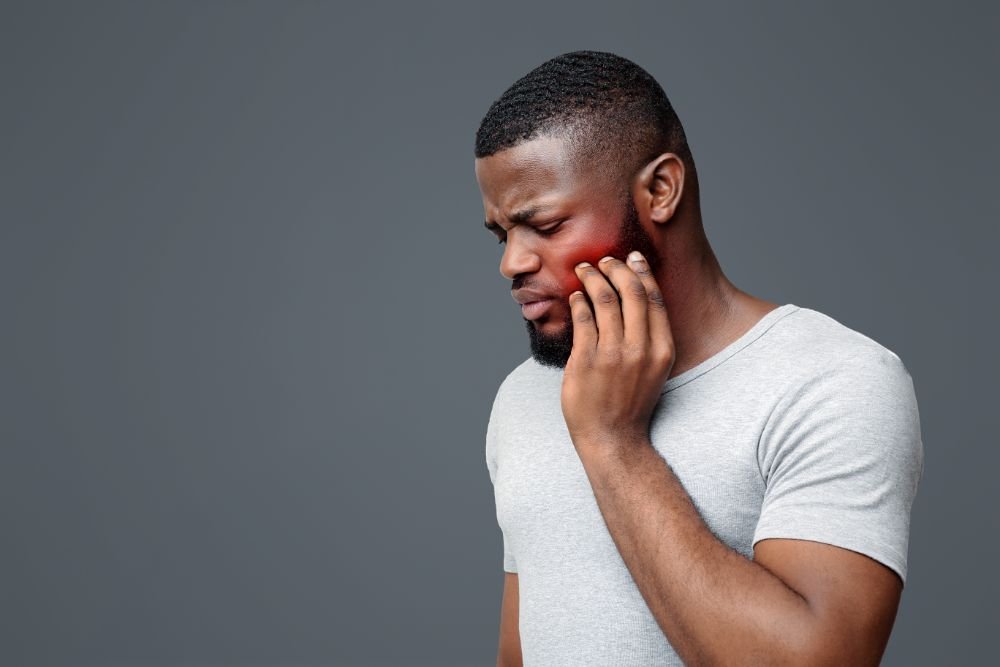
One of the most common signs of teeth grinding is jaw pain, soreness, or discomfort. When you grind your teeth, the pressure on your jaw muscles can cause inflammation and tension. If you wake up with a sore jaw, it’s likely you may be grinding your teeth while asleep.
Headaches
Frequent morning headaches, especially near your temples, are another key indicator of bruxism. The stress and pressure exerted while grinding your teeth can lead to tension headaches, making you feel uneasy as soon as you wake up.
Tooth Sensitivity or Damage
Teeth grinding can wear down the enamel, causing sensitivity to hot, cold, or sweet foods and drinks. Over time, it can also lead to chipped, cracked, or worn-out teeth, making your smile look less healthy and increasing the risk of cavities or infections.
Difficulty Sleeping
Grinding your teeth can disrupt your sleep, leading to frequent awakenings or poor-quality rest. Some people may even experience snoring or sleep apnea, further disturbing their sleep cycle.
Clicking or Popping in the Jaw
If you notice a clicking or popping sound when you open or close your mouth, it could be a sign of Temporomandibular Joint (TMJ) disorder, often linked to bruxism.
What Causes Teeth Grinding?
Bruxism can be caused by a variety of factors, including stress, anxiety, an abnormal bite, or missing or crooked teeth. It can also be related to sleep disorders like sleep apnea. Understanding the root cause can help in finding the best way to address and correct it.
How to Correct Teeth Grinding
- Wear a Mouth Guard: A custom-fitted mouth guard is one of the most effective ways to prevent nighttime teeth grinding. These guards create a barrier between your teeth, protecting them from damage.
 You can have a mouth guard specially made by a dentist to ensure the best fit and comfort.
- Reduce Stress and Anxiety: Since stress is a major contributor to bruxism, practicing relaxation techniques like meditation, yoga, or deep breathing exercises can help reduce the tension that leads to teeth grinding. Additionally, avoiding caffeine and alcohol, especially before bed, may help lower anxiety levels and prevent grinding.
- Correct Dental Problems: If bruxism is caused by an abnormal bite, missing teeth, or misalignment, your dentist may recommend corrective procedures. This can include braces, crowns, or other treatments to help realign your teeth and eliminate the cause of grinding.
- Practice Jaw Exercises: Strengthening your jaw muscles through specific exercises can help relieve tension. A dentist or physical therapist can guide you on exercises that can improve the flexibility of your jaw and reduce the likelihood of teeth grinding.
- Improve Sleep Habits: Maintaining a consistent sleep schedule and creating a relaxing bedtime routine can improve your sleep quality, reducing the chances of teeth grinding.

Ensure your sleeping environment is conducive to relaxation by reducing noise, dimming lights, and avoiding screens before bed.
Seeking Professional Help
If you suspect you are grinding your teeth or experiencing symptoms related to bruxism, it’s important to visit a dentist for a thorough evaluation. They can provide personalized treatment options to address the issue and prevent further damage to your teeth and jaw.
Protect Your Smile with Dentology by Dr. Sagar
Don’t let teeth grinding harm your oral health. At Dentology by Dr. Sagar, we offer customized solutions to correct bruxism, from mouth guards to dental treatments tailored to your needs. Schedule a consultation today and take the first step towards a healthier, pain-free smile!