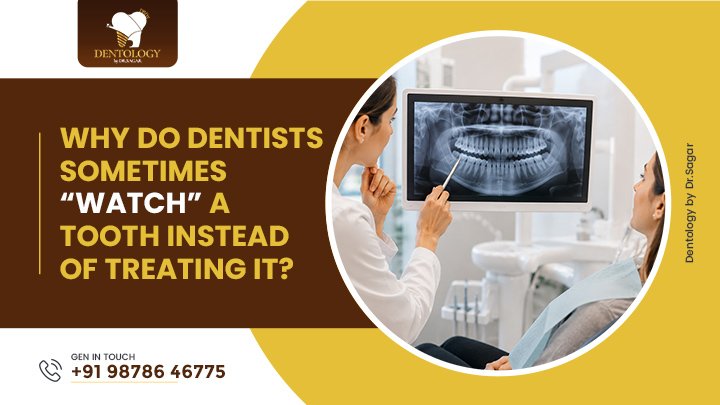
Many patients feel surprised when a dentist says, “Let’s monitor this tooth for now.” Some even wonder if treatment is being delayed unnecessarily. In reality, carefully watching a tooth can sometimes be the smartest and safest decision.
At Dentology by Dr. Sagar, Ludhiana, we believe dentistry is not just about treating teeth quickly. It is about choosing the right treatment at the right time. In some situations, immediate drilling or major treatment may not be necessary, and monitoring the tooth closely can help preserve healthy tooth structure.
What Does “Watching a Tooth” Mean?
When a dentist decides to monitor a tooth, it means:
- The tooth has a minor issue that does not require immediate treatment
- The condition is stable and not causing damage right now
- Regular follow-ups are needed to check for changes
This approach is common in modern preventive dentistry because unnecessary treatment can sometimes weaken a tooth earlier than needed.
Common Reasons Dentists Monitor a Tooth
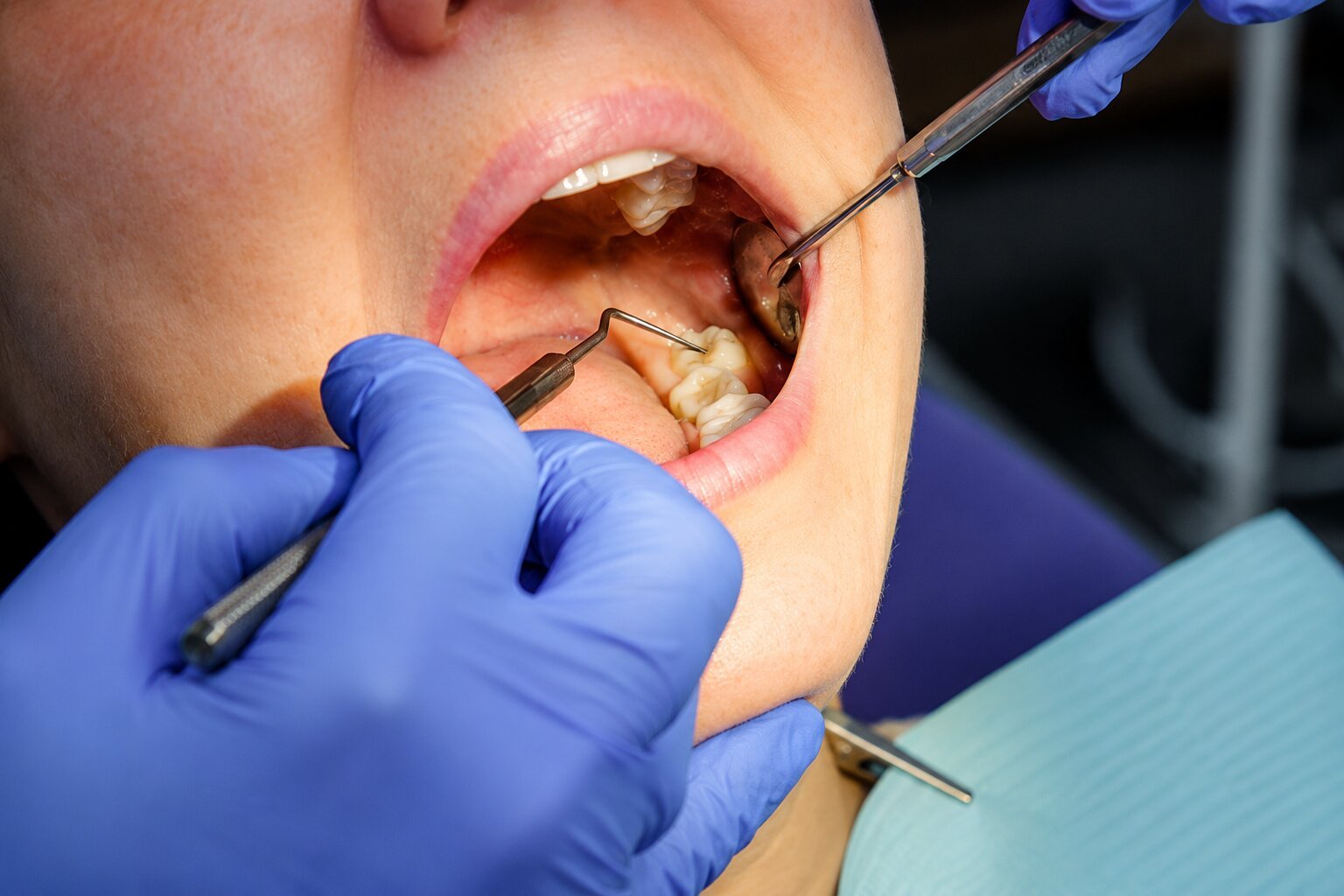
1. Very Early Tooth Decay
Not every cavity needs immediate drilling.
If decay is very small and limited to the enamel:
- It may be stopped or reversed with fluoride care
- Better oral hygiene may prevent progression
- The tooth structure can remain untouched
Treating too early may remove healthy enamel unnecessarily.
2. Tiny Cracks Without Symptoms
Small surface cracks are common, especially in adults.
If the crack is:
- Not painful
- Not spreading
- Not affecting chewing
The dentist may simply monitor it during future visits.
3. Mild Sensitivity
Some teeth become temporarily sensitive due to:
- Teeth whitening
- Aggressive brushing
- Minor enamel wear
If there are no signs of infection or major damage, observation may be recommended first.
4. Wisdom Teeth Monitoring
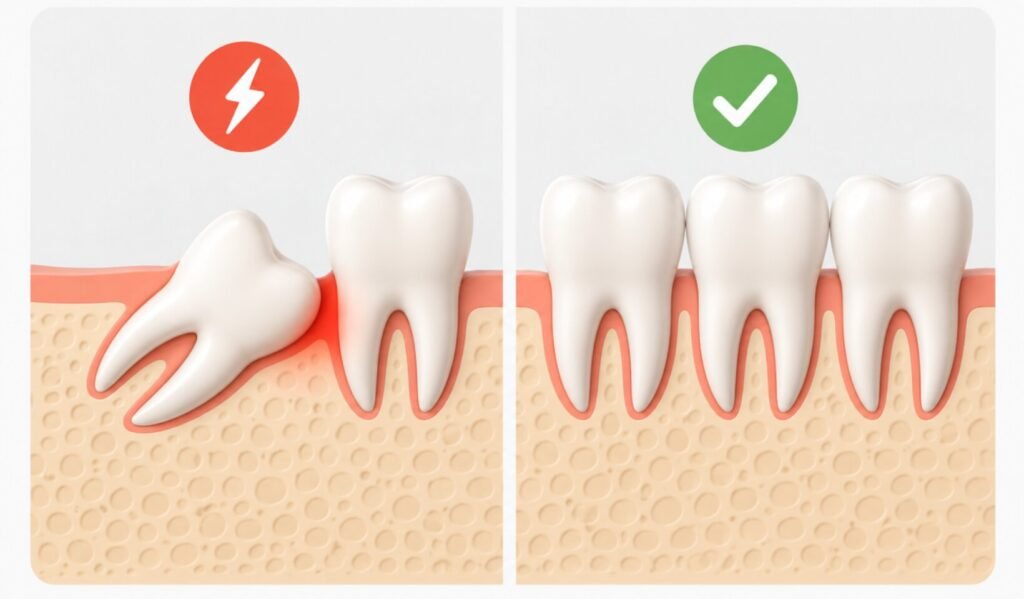
Not all wisdom teeth need immediate removal.
Dentists may observe wisdom teeth if they are:
- Not causing pain
- Properly positioned
- Not damaging nearby teeth
Regular X-rays help track any future problems.
5. Uncertain Symptoms
Sometimes pain is difficult to diagnose immediately.
A dentist may monitor the tooth to see if symptoms:
- Improve naturally
- Become more specific
- Reveal the actual source of the problem
This avoids unnecessary procedures on the wrong tooth.
Why Immediate Treatment Is Not Always Best
Many people believe faster treatment is always better. However, every dental procedure permanently changes the tooth structure.
Overtreatment can sometimes lead to:
- Unnecessary drilling
- Larger restorations later
- Increased tooth weakness
- More dental work in the future
Good dentistry balances treatment with preservation.
How Dentists Monitor a Tooth Safely
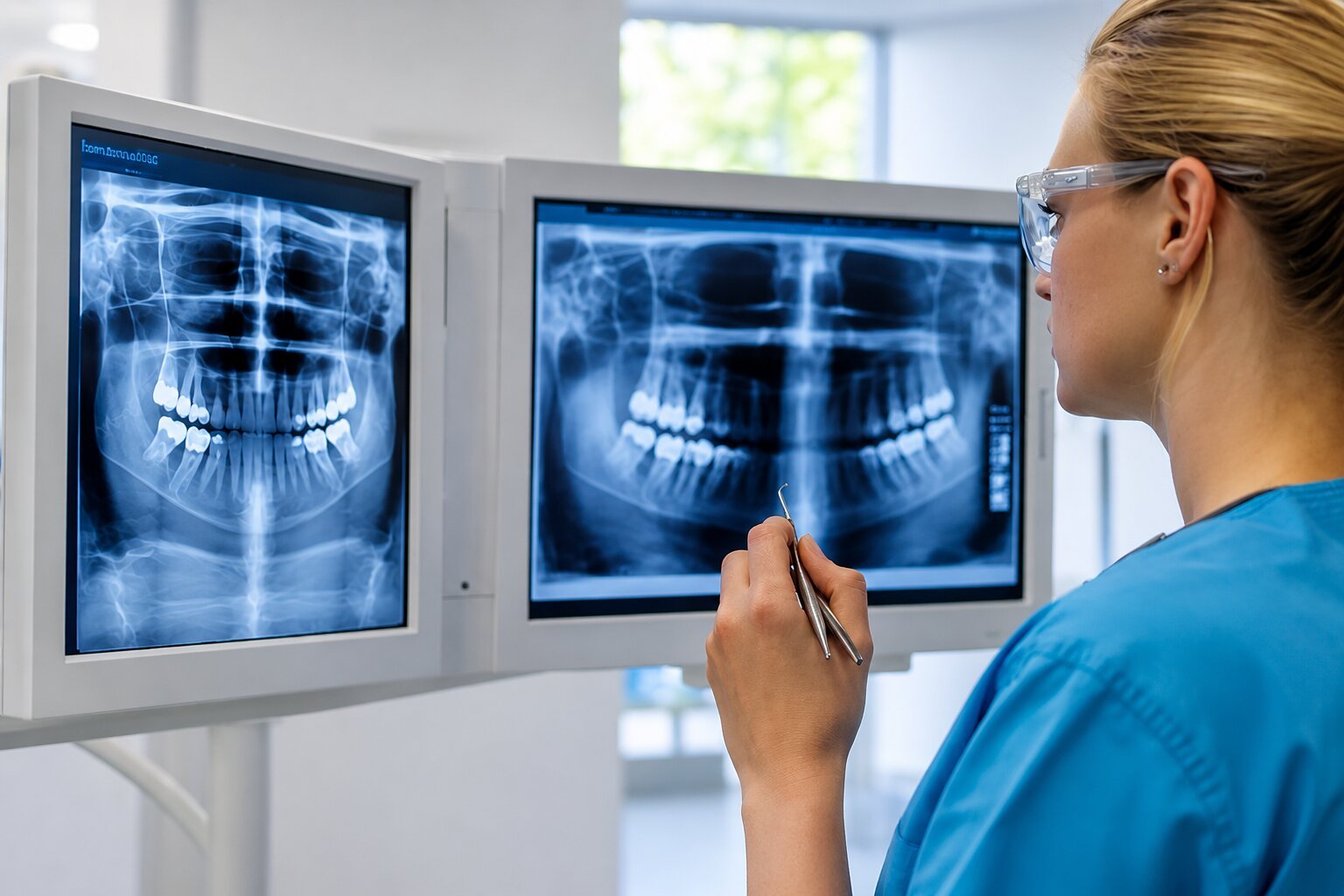
At Dentology by Dr. Sagar, we monitor teeth carefully using:
- Clinical examinations
- Digital X-rays
- Photographs
- Sensitivity testing
- Bite evaluations
This allows us to detect changes early before serious damage occurs.
What Patients Should Do During the Monitoring Phase
If your dentist recommends watching a tooth, follow the advice carefully.
Important steps include:
- Maintain excellent oral hygiene
- Avoid hard foods if advised
- Attend regular check-ups
- Report any pain, swelling, or sensitivity changes immediately
Monitoring only works when patients stay consistent with follow-up care.
When Monitoring Turns Into Treatment
A watched tooth may eventually need treatment if:
- Decay progresses
- Pain develops
- Cracks worsen
- Infection appears
- Structural weakness increases
The goal is to intervene only when truly necessary.
Conservative Dentistry at Dentology by Dr. Sagar
At Dentology by Dr. Sagar, Ludhiana, we focus on conservative and patient-first dental care. We do not believe in unnecessary treatment. Our goal is to protect as much natural tooth structure as possible while ensuring your long-term oral health.
Sometimes the best treatment is careful observation, because preserving your natural tooth is always the priority.
FAQs
Why would a dentist monitor a tooth instead of treating it?
Dentists monitor teeth when the issue is minor, stable, or may not need immediate treatment. This helps preserve healthy tooth structure.
Can early cavities heal without fillings?
Very early enamel decay can sometimes be stopped or reversed with fluoride treatment and improved oral hygiene.
Is it safe to delay dental treatment?
In selected cases, careful monitoring is safe if regular check-ups are maintained and the condition remains stable.
Do all cracked teeth need treatment?
No. Small surface cracks without pain or damage may only require observation.
How often should a monitored tooth be checked?
The dentist usually recommends follow-up visits every few months, depending on the condition of the tooth.