Dental treatments such as fillings, crowns, bridges, implants, and cosmetic restorations are designed to restore the function and appearance of your teeth. However, many patients wonder why a treatment that was supposed to last for years sometimes needs repair or replacement earlier than expected.
The truth is that dental restorations are influenced by several factors, including oral hygiene, lifestyle habits, bite pressure, and follow-up care. Understanding these factors can help you protect your dental investment and keep your smile healthy for many years.
At Dentology by Dr. Sagar, Ludhiana, we believe patient awareness plays a key role in ensuring long-lasting dental treatments.
Common Reasons Dental Treatments May Fail Early
1. Poor Oral Hygiene
Even the best dental treatment cannot last long without proper oral care. Bacteria and plaque can build up around fillings, crowns, and bridges, eventually causing decay or gum disease.
Common hygiene mistakes include:
- Inconsistent brushing or flossing
- Not cleaning around dental bridges or crowns properly
- Skipping professional dental cleanings
- Ignoring early signs like gum bleeding or bad breath
Maintaining excellent oral hygiene significantly increases the lifespan of dental treatments.
2. Teeth Grinding and Bite Pressure
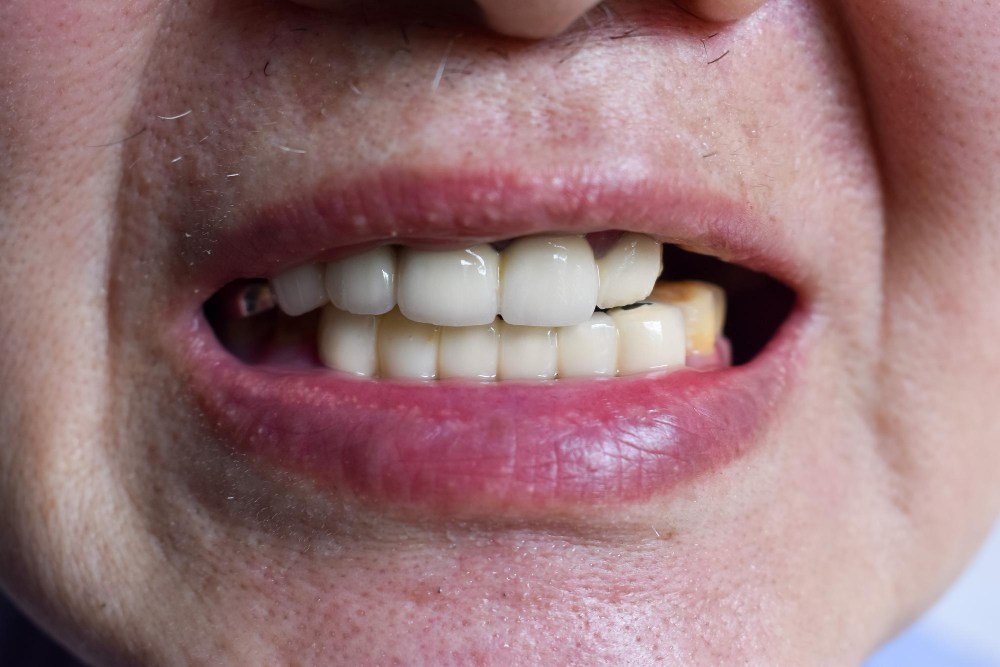
Many people grind or clench their teeth during sleep, a condition known as bruxism. This excessive pressure can damage natural teeth as well as dental restorations.
Damage caused by grinding may include:
- Cracked crowns or veneers
- Loosened fillings
- Worn enamel
- Jaw discomfort or headaches
A custom night guard recommended by your dentist can protect your teeth and restorations from unnecessary stress.
3. Diet and Lifestyle Habits
Certain lifestyle habits can shorten the lifespan of dental work.
Habits that affect dental treatments include:
- Frequent consumption of sugary or acidic foods
- Smoking or tobacco use
- Chewing ice or hard objects
- Opening packages with your teeth
These habits can weaken restorations and increase the risk of decay around them.
4. Skipping Regular Dental Checkups
Routine dental visits help detect small problems before they become serious. Many dental restorations fail not because of poor treatment but because early warning signs were ignored.
During a checkup, your dentist can:
- Examine the condition of existing dental work
- Detect decay around crowns or fillings
- Monitor gum health
- Adjust bite alignment if necessary
Early detection can prevent expensive replacements later.
5. Natural Wear and Aging
Dental restorations are strong, but they are still exposed to daily chewing pressure. Over time, natural wear may occur.
How to Make Your Dental Treatments Last Longer
You can significantly increase the lifespan of your dental work by following simple habits.
Dentist-recommended tips include:
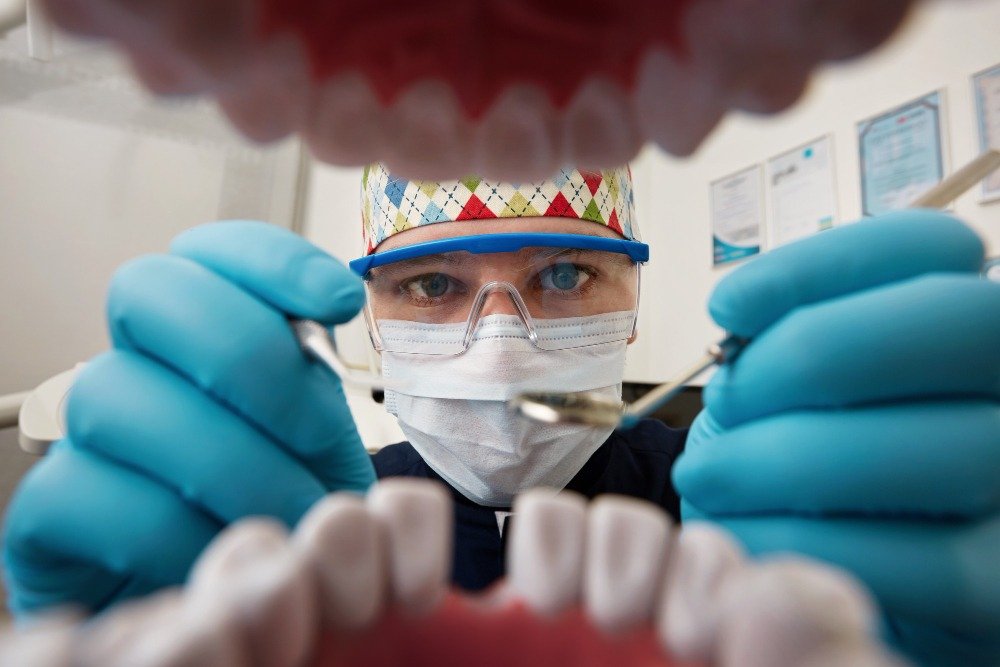
- Brush your teeth twice daily with fluoride toothpaste
- Floss daily to remove plaque between teeth
- Visit your dentist every six months for checkups
- Avoid biting hard foods or objects
- Wear a night guard if you grind your teeth
- Maintain a balanced diet with limited sugar intake
These preventive measures protect both natural teeth and dental restorations.
Why Quality Dental Care Matters
The durability of dental treatments also depends on the precision of diagnosis, treatment planning, and materials used. High-quality dental care ensures proper bite alignment, accurate restorations, and better long-term results.
At Dentology by Dr. Sagar, Ludhiana, we use modern technology, advanced materials, and personalized treatment plans to ensure your dental work remains strong, comfortable, and natural-looking.
Protect Your Dental Investment
Dental treatments are an investment in your health and confidence. With proper care, many restorations can last well beyond their expected lifespan. Preventive dental care, healthy habits, and regular monitoring are the keys to maintaining a strong and beautiful smile.
If you want to ensure your dental treatments last as long as possible, expert guidance and regular checkups make all the difference.
📞 Call +91 98786 46775 today to book your consultation at Dentology by Dr. Sagar, Ludhiana.
FAQs
How long should a dental crown last?
A well-maintained dental crown can last 10 to 15 years or longer, depending on oral hygiene and bite pressure.
Why do dental fillings sometimes fail?
Fillings may fail due to decay around the edges, heavy bite pressure, or natural wear over time.
Can grinding teeth damage dental restorations?
Yes. Teeth grinding can crack crowns, loosen fillings, and wear down veneers, which is why dentists often recommend a night guard.
Are dental implants permanent?
Dental implants are designed to be long-lasting and can remain functional for 20 years or more with proper care and maintenance.
How can I extend the lifespan of my dental treatments?
Maintaining good oral hygiene, regular dental visits, avoiding harmful habits, and wearing protective appliances if needed can significantly extend the life of dental restorations.