
Why Are Gaps Between My Teeth Getting Bigger With Age?
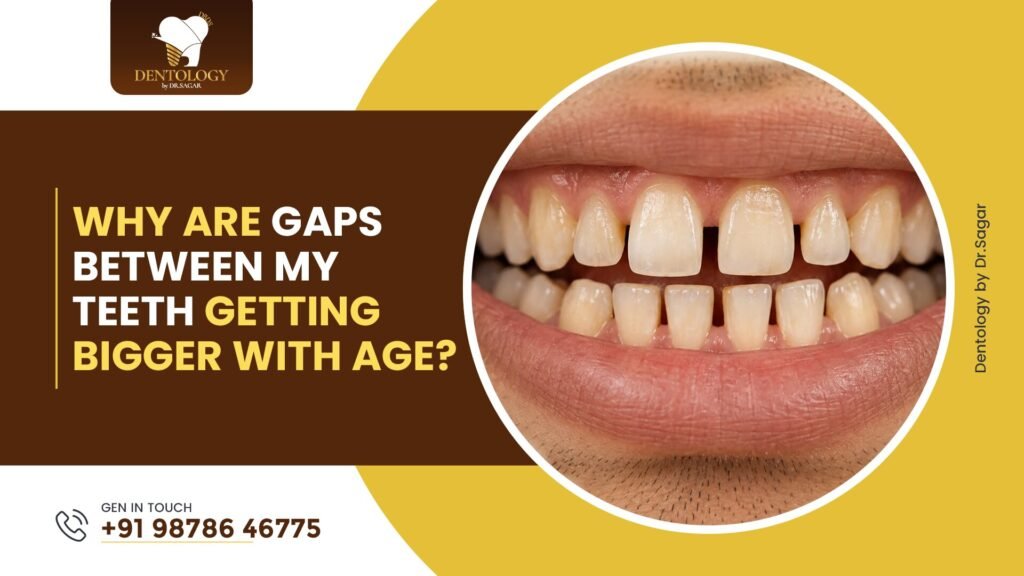
Have you recently noticed a gap appearing between your teeth or an existing space becoming wider? Many people assume that teeth remain in the same position throughout life, but that’s not always the case. Teeth can gradually shift over time due to changes in the gums, jawbone, bite, and oral habits. While a small change may seem harmless at first, increasing gaps between teeth can sometimes signal an underlying dental problem that requires attention. Understanding why these spaces develop can help you protect your smile and prevent more serious oral health issues in the future. What Causes Gaps Between Teeth to Increase With Age? Several factors can contribute to widening spaces between teeth as you get older. 1. Gum Disease One of the most common reasons for increasing gaps is gum disease. When plaque and bacteria build up around the gums, they can cause inflammation and infection. Over time, the supporting bone around the teeth may begin to shrink. As bone support decreases, teeth can gradually shift, creating noticeable gaps. Common signs include: Bleeding gums Swollen or red gums Persistent bad breath Loose teeth Receding gums 2. Natural Tooth Movement Teeth are not permanently fixed in place. Throughout life, they can slowly move due to everyday chewing forces and changes in the jawbone. Even people who had perfectly straight teeth in their younger years may notice: Crowding of lower front teeth New spaces between teeth Changes in their bite 3. Teeth Grinding and Clenching Grinding or clenching your teeth places excessive pressure on the supporting structures of the teeth. Over time, this force can cause: Tooth movement Bite changes Gum recession Widening gaps between teeth