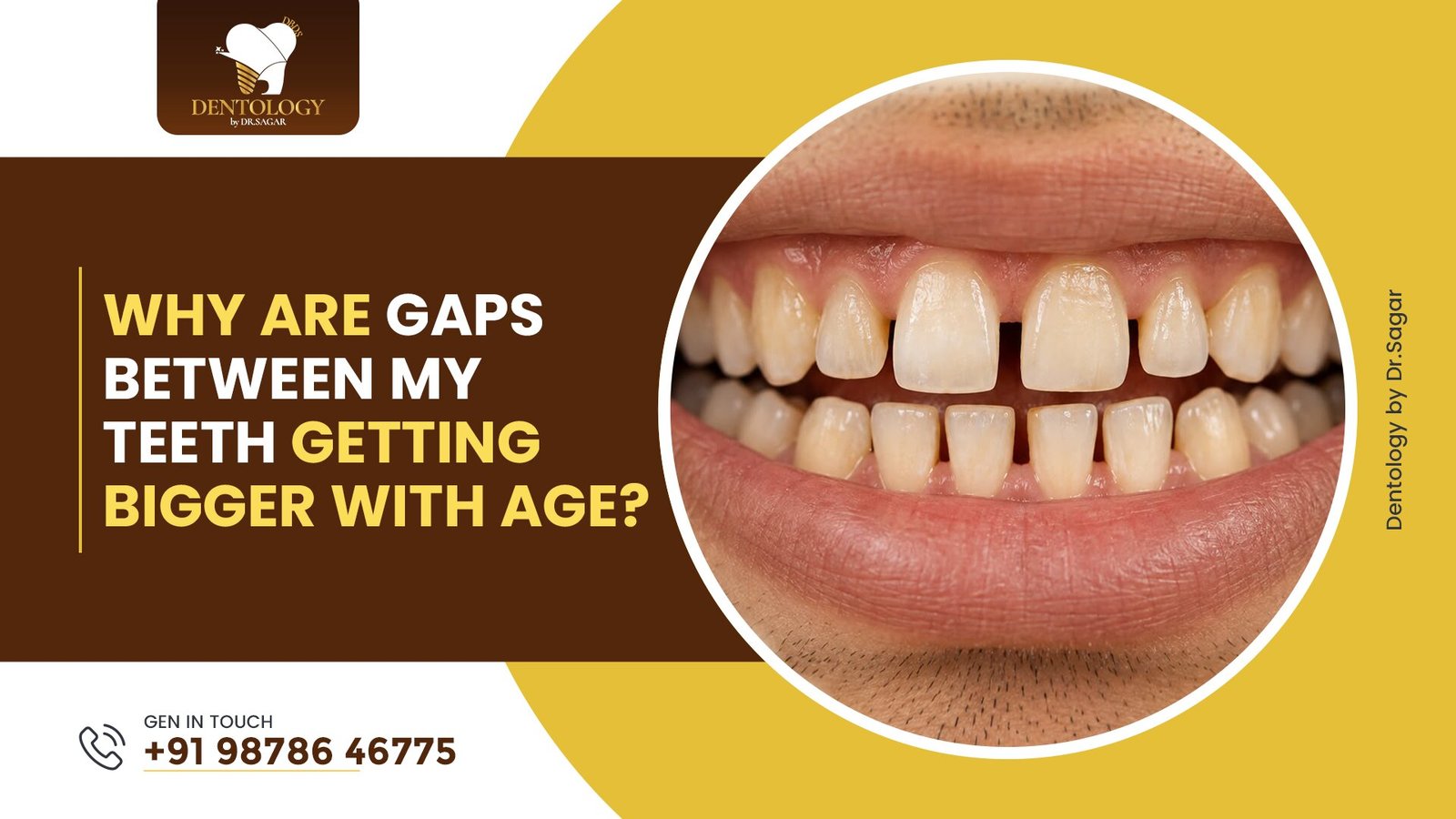
Have you recently noticed a gap appearing between your teeth or an existing space becoming wider? Many people assume that teeth remain in the same position throughout life, but that’s not always the case. Teeth can gradually shift over time due to changes in the gums, jawbone, bite, and oral habits. While a small change may seem harmless at first, increasing gaps between teeth can sometimes signal an underlying dental problem that requires attention.
Understanding why these spaces develop can help you protect your smile and prevent more serious oral health issues in the future.
What Causes Gaps Between Teeth to Increase With Age?
Several factors can contribute to widening spaces between teeth as you get older.
1. Gum Disease
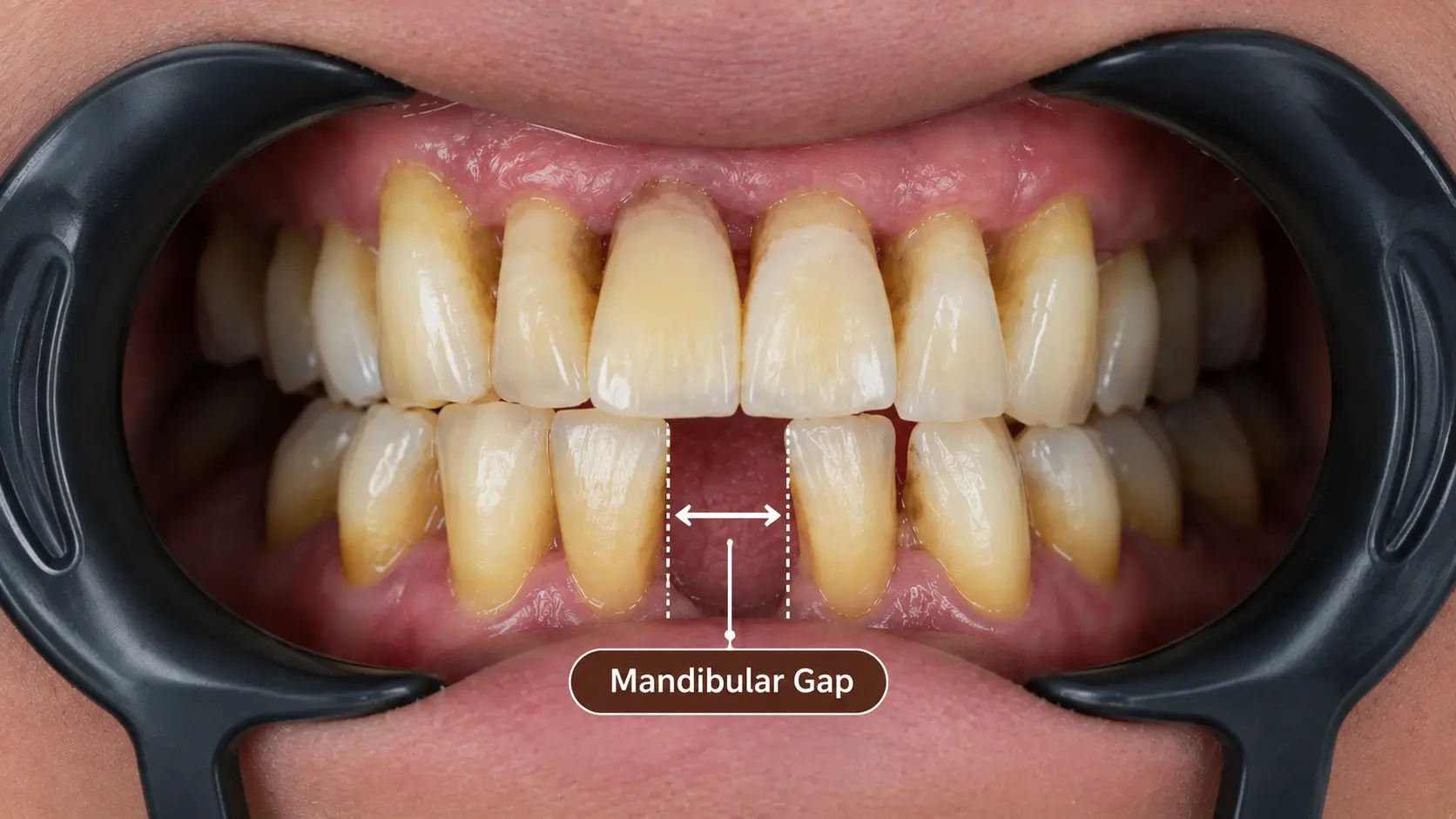
One of the most common reasons for increasing gaps is gum disease. When plaque and bacteria build up around the gums, they can cause inflammation and infection. Over time, the supporting bone around the teeth may begin to shrink.
As bone support decreases, teeth can gradually shift, creating noticeable gaps.
Common signs include:
- Bleeding gums
- Swollen or red gums
- Persistent bad breath
- Loose teeth
- Receding gums
2. Natural Tooth Movement
Teeth are not permanently fixed in place. Throughout life, they can slowly move due to everyday chewing forces and changes in the jawbone.
Even people who had perfectly straight teeth in their younger years may notice:
- Crowding of lower front teeth
- New spaces between teeth
- Changes in their bite
3. Teeth Grinding and Clenching
Grinding or clenching your teeth places excessive pressure on the supporting structures of the teeth.
Over time, this force can cause:
- Tooth movement
- Bite changes
- Gum recession
- Widening gaps between teeth
Many people grind their teeth while sleeping without realizing it.
4. Missing Teeth
When a tooth is lost and not replaced, neighboring teeth often drift into the empty space.
This movement can create:
- Uneven spacing
- Bite problems
- Additional gaps in other areas of the mouth
The longer a missing tooth remains untreated, the greater the risk of shifting teeth.
5. Changes in the Jawbone
As we age, the jawbone naturally undergoes changes. Bone density may decrease, particularly if teeth are missing or gum disease is present.
Reduced bone support can allow teeth to move more freely, leading to visible spacing between them.
6. Tongue Pressure and Oral Habits
The tongue exerts pressure on the teeth every day. Certain habits can increase this pressure and contribute to tooth movement.
Examples include:
- Tongue thrusting
- Nail biting
- Chewing pens
- Improper swallowing patterns
Over many years, these habits may gradually push teeth apart.
When Should You Be Concerned?
Not every gap is a dental emergency, but sudden or progressive spacing should never be ignored.
Schedule a dental examination if you notice:
- New gaps appearing
- Existing gaps widening
- Loose teeth
- Bleeding gums
- Changes in your bite
- Difficulty chewing
Early diagnosis can prevent more extensive treatment later.
How Dentists Treat Increasing Gaps Between Teeth
The right treatment depends on the underlying cause.
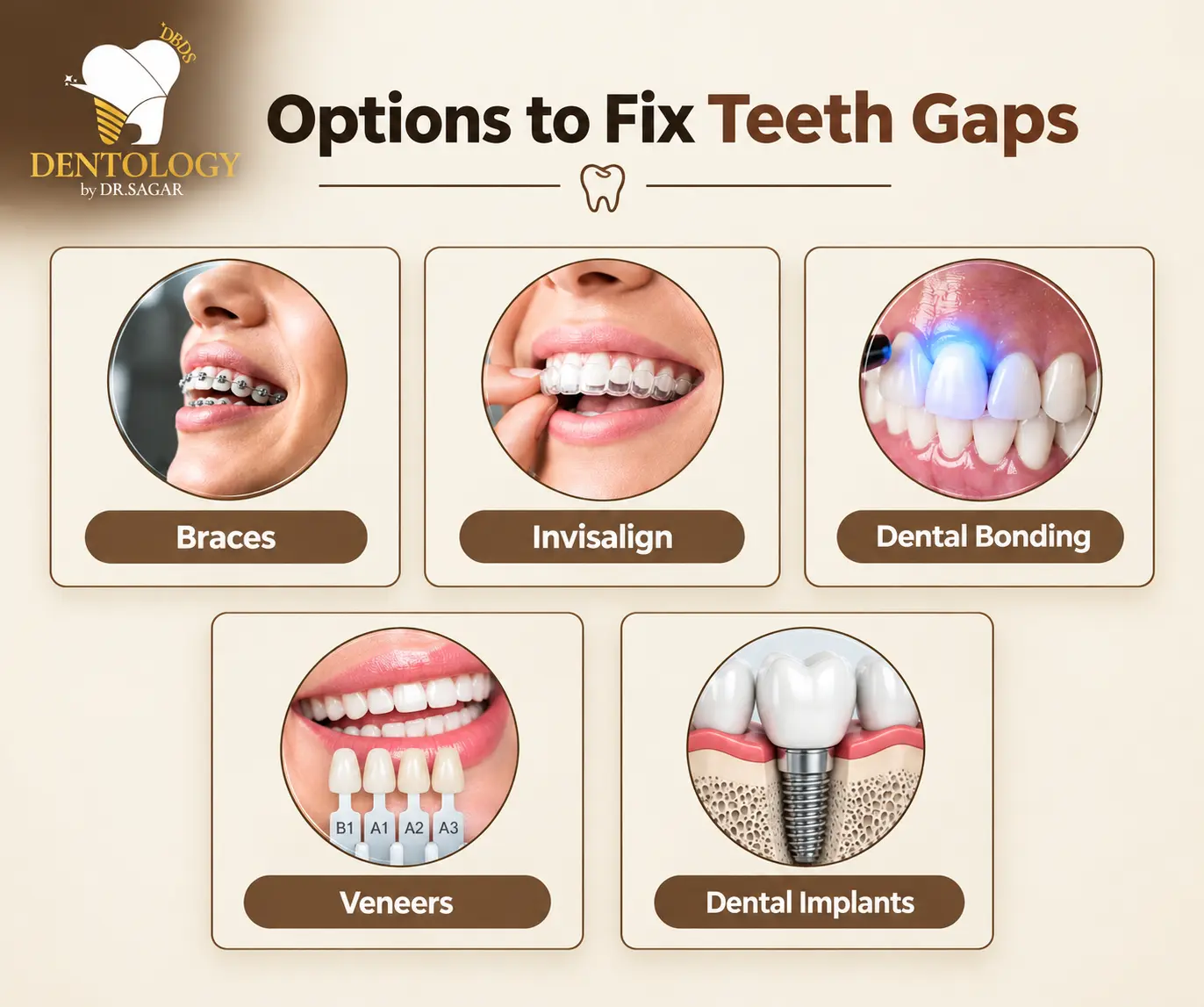
Professional Gum Treatment
If gum disease is responsible, treatment may include:
- Professional scaling
- Root planing
- Improved oral hygiene care
- Regular periodontal maintenance
Orthodontic Treatment
Braces or clear aligners can help reposition teeth and close unwanted spaces.
Benefits include:
- Improved appearance
- Better bite alignment
- Easier cleaning between teeth
Dental Bonding
For smaller gaps, tooth-colored composite bonding can provide a quick and conservative solution.
Veneers
Porcelain veneers can improve both spacing and overall smile aesthetics.
Replacing Missing Teeth
Dental implants, bridges, or other tooth replacement options help maintain proper tooth positioning and prevent further shifting.
Can Increasing Gaps Be Prevented?
While some age-related changes are unavoidable, good oral care can significantly reduce the risk.
Helpful steps include:
- Brushing twice daily
- Flossing every day
- Attending regular dental checkups
- Treating gum disease early
- Wearing a night guard if you grind your teeth
- Replacing missing teeth promptly
Conclusion
Gaps between teeth that increase with age are often more than just a cosmetic concern. They may indicate gum disease, bone loss, bite changes, teeth grinding, or missing teeth. Identifying the cause early can help preserve your oral health and prevent further tooth movement.
If you have noticed widening spaces between your teeth, a professional dental evaluation can determine the cause and recommend the most effective treatment.
Schedule Your Consultation Today
If you’re concerned about increasing gaps between your teeth, visit Dentology by Dr. Sagar for a comprehensive dental examination. Dr. Sagar Sachdeva will assess your oral health, identify the underlying cause, and recommend the best treatment to protect your smile.
📞 Call: +91 98786 46775
FAQs
1. Why are my teeth suddenly developing gaps?
Gaps can develop due to gum disease, tooth movement, bone loss, teeth grinding, or missing teeth.
2. Can gum disease cause spaces between teeth?
Yes. Gum disease can damage the supporting bone and tissues, allowing teeth to shift and create gaps.
3. Do teeth naturally move as we age?
Yes. Teeth can gradually shift over time due to chewing forces, jaw changes, and natural aging processes.
4. Can braces fix gaps in adults?
Absolutely. Braces and clear aligners can successfully close gaps and improve alignment at almost any age.
5. Should I worry if a gap between my teeth is getting bigger?
Yes. A widening gap may indicate an underlying dental problem and should be evaluated by a dentist as soon as possible.