Have you ever felt like one of your teeth is loose, only to discover that it doesn’t actually move? This can be a confusing and sometimes worrying experience. Many people assume that a loose feeling automatically means tooth loss or severe gum disease, but that isn’t always the case. In reality, several dental conditions can make a tooth feel unstable even when it is firmly supported by the surrounding bone and gums. Understanding why this happens can help you recognise potential dental issues early and seek the right treatment before they become more serious.
A Strange Feeling That Can Be Hard to Ignore
Many people become worried when a tooth suddenly feels loose. You may notice a slight movement when chewing, talking, or touching the tooth with your tongue. However, after a dental examination, your dentist may tell you that the tooth is actually stable and healthy.
So why does a tooth sometimes feel loose when it isn’t?
This sensation is more common than most people realize. Several dental conditions can create the feeling of looseness without any actual tooth mobility. Understanding the cause is the first step toward finding relief.
What Does a Truly Loose Tooth Mean?
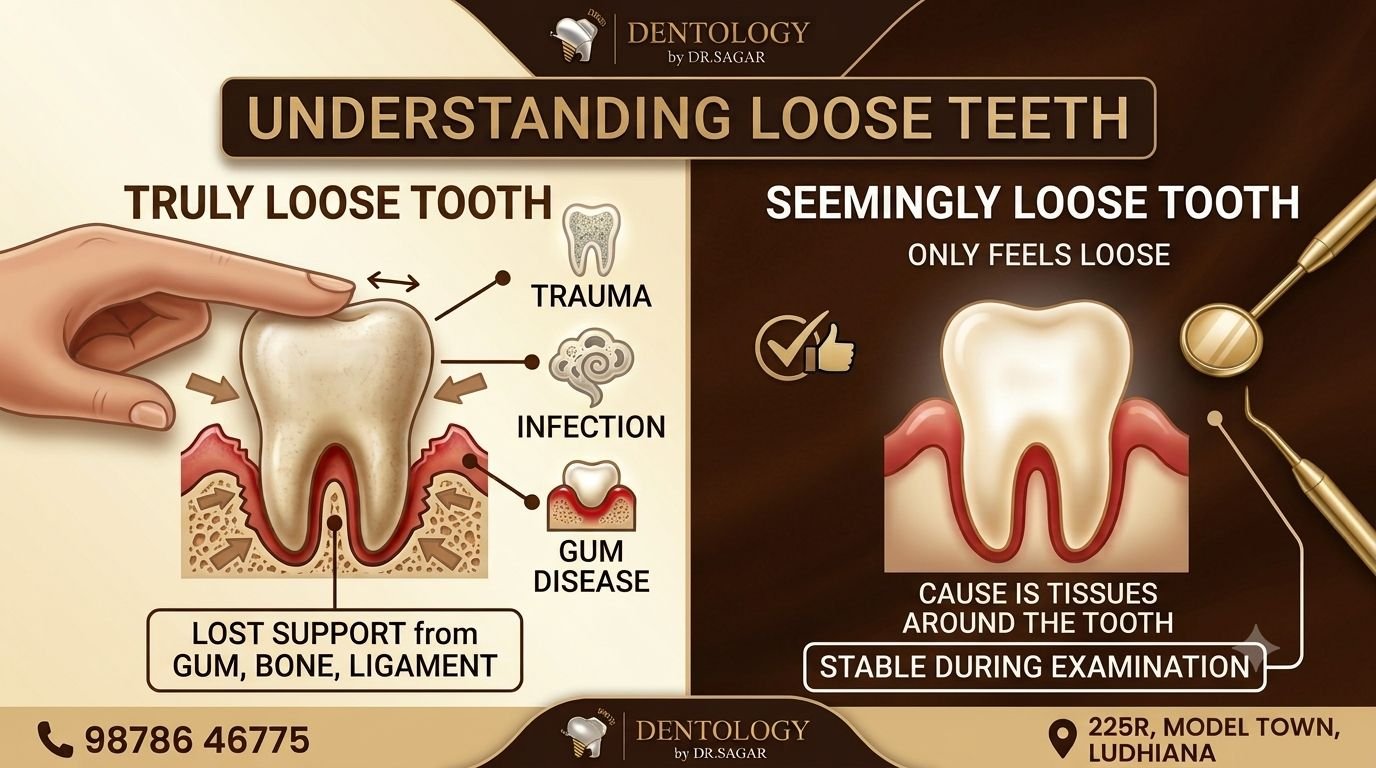
A truly loose tooth has lost some of the support provided by the surrounding bone, gums, and periodontal ligaments. This can happen due to advanced gum disease, trauma, infection, or severe bone loss.
When a tooth only feels loose but remains stable during examination, the cause is often related to the tissues surrounding the tooth rather than the tooth itself.
Common Reasons Teeth Feel Loose Without Actually Being Loose
1. Inflammation Around the Tooth
The ligament that holds your tooth in place is extremely sensitive. Even mild inflammation can create pressure around the tooth, making it feel different from the surrounding teeth.
This inflammation may result from:
- Gum irritation
- Food trapped between teeth
- Early gum disease
- Minor infections
Even though the tooth remains stable, the inflamed ligament can make it feel mobile.
2. Teeth Grinding and Clenching
Many people grind or clench their teeth during sleep without realizing it.
This constant pressure can cause:
- Tooth sensitivity
- Soreness around teeth
- A feeling that teeth are moving
- Jaw discomfort
The supporting tissues become stressed, creating a sensation similar to looseness.
3. Bite Problems
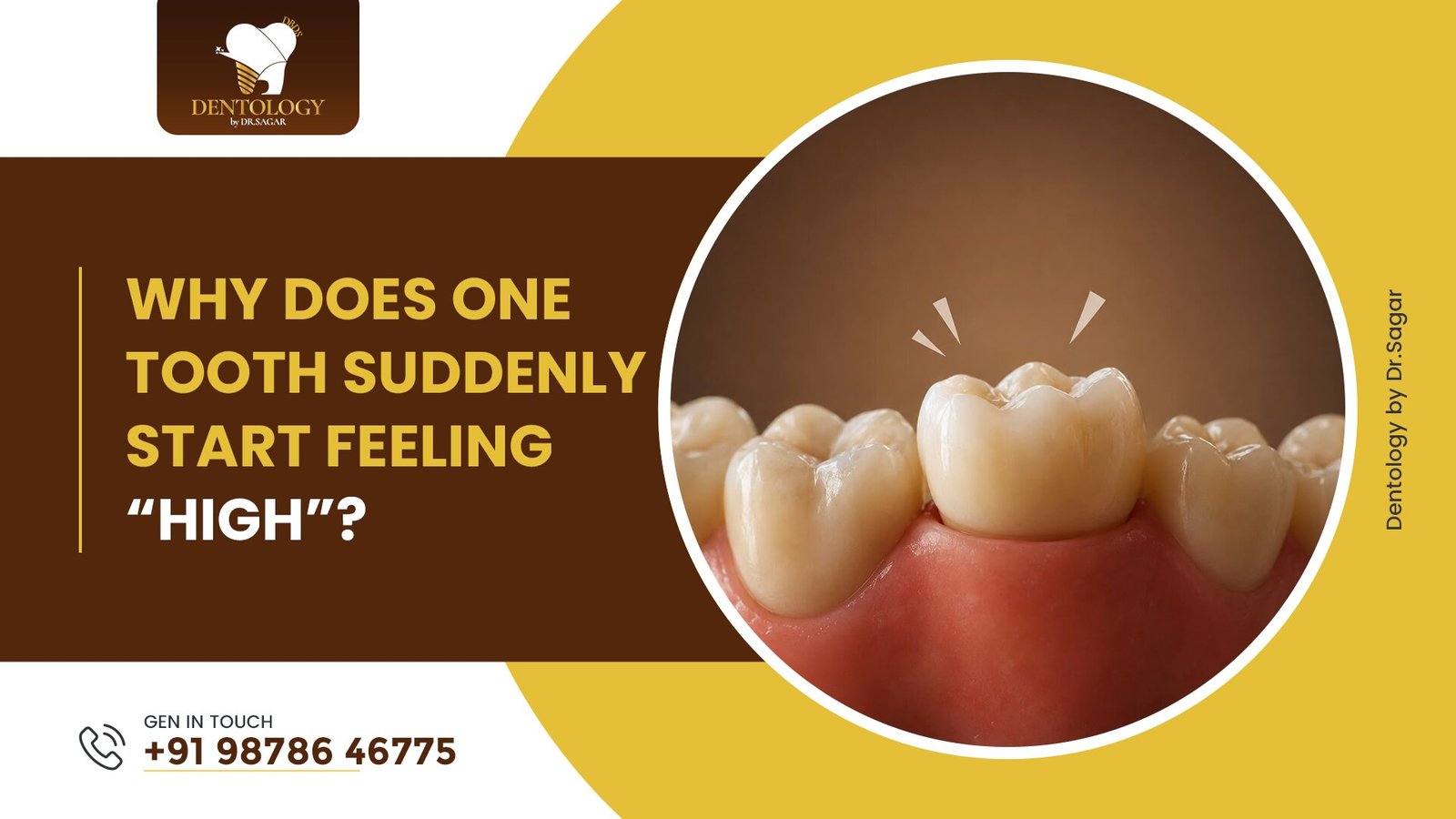
Sometimes one tooth contacts before the others when you bite down.
This condition, known as a high bite, places excessive pressure on a single tooth. As a result, the tooth may feel elevated, uncomfortable, or loose even though it remains firmly attached.
4. Gum Recession
As gums recede, more of the tooth root becomes exposed.
This can make teeth feel:
- Longer
- More sensitive
- Less stable
In many cases, the tooth is still secure, but changes in the gum line create a misleading sensation.
5. Recent Dental Treatment
After procedures such as:
- Fillings
- Crowns
- Deep cleaning
- Root canal treatment
The surrounding tissues may remain temporarily sensitive.
Some patients report that a treated tooth feels loose for several days or weeks before returning to normal.
6. Sinus Pressure
Upper back teeth share proximity with the sinus cavities.
During:
- Sinus infections
- Seasonal allergies
- Nasal congestion
Pressure from the sinuses can make upper teeth feel sore, elevated, or slightly loose.
7. Anxiety and Increased Awareness
Once you become focused on a particular tooth, even normal sensations may feel unusual.
Many patients repeatedly check the tooth with their tongue or fingers, increasing awareness and creating the impression that something is wrong.
When Should You Be Concerned?
Schedule a dental examination if you experience:
- Persistent feeling of looseness
- Gum bleeding
- Swollen gums
- Pain when biting
- Visible tooth movement
- Bad breath that doesn’t improve
- Receding gums
Early evaluation helps identify problems before they become more serious.
How Dentists Determine Whether a Tooth Is Actually Loose
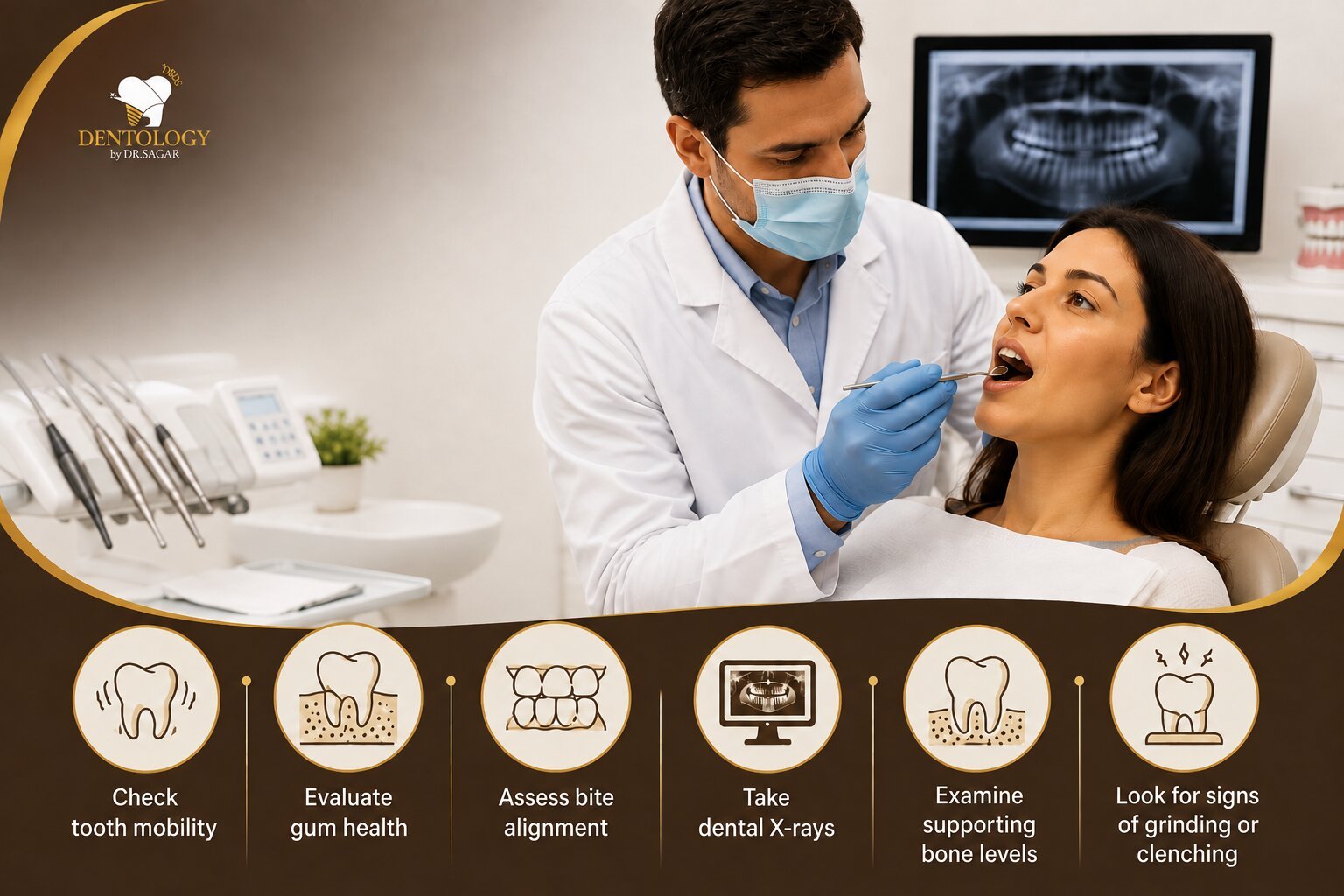
During an examination, your dentist may:
- Check tooth mobility
- Evaluate gum health
- Assess bite alignment
- Take dental X-rays
- Examine supporting bone levels
- Look for signs of grinding or clenching
These tests help determine whether the problem is structural or simply a temporary sensation.
Can the Feeling Go Away?
Yes. In many cases, once the underlying cause is treated, the sensation disappears.
Treatment may include:
- Professional cleaning
- Bite adjustment
- Night guard therapy
- Gum treatment
- Managing teeth grinding habits
- Treating sinus-related issues
The sooner the cause is identified, the easier it is to restore comfort.
Final Thoughts
A tooth that feels loose is not always a loose tooth. Inflammation, grinding, bite issues, gum changes, and even sinus pressure can create sensations that mimic tooth mobility. While the feeling can be alarming, a professional dental evaluation can quickly determine whether there is a genuine problem.
Concerned About a Tooth That Feels Loose?
If you are experiencing unusual tooth sensations, don’t ignore them. Early diagnosis can prevent future complications and give you peace of mind.
Visit Dentology by Dr. Sagar for a comprehensive dental evaluation.
Dr. Sagar Sachdeva will carefully assess your teeth, gums, and bite to identify the real cause of the problem and recommend the best treatment.
📞 Call: 98786 46775
🌐 Website:dentologybysagar.com
Book your appointment today and protect your smile with expert dental care.
Frequently Asked Questions
1. Why do my teeth feel loose even though my dentist says they are fine?
A tooth can feel loose due to inflammation, teeth grinding, bite issues, gum irritation, or sensitivity in the supporting tissues. Even when the tooth is stable, these factors can create a sensation of movement.
2. Can stress make my teeth feel loose?
Yes. Stress often leads to clenching or grinding of teeth, especially during sleep. This extra pressure can strain the ligaments around the teeth, making them feel sore or loose without actual tooth mobility.
3. Is a loose feeling always a sign of gum disease?
No. While gum disease can cause genuine tooth looseness, other factors such as bite problems, recent dental treatment, sinus pressure, or inflammation can also create a similar sensation.
4. When should I see a dentist about a tooth that feels loose?
You should schedule a dental visit if the sensation persists, worsens, is accompanied by pain, bleeding gums, swelling, difficulty chewing, or if you notice visible tooth movement.
5. Can a tooth that feels loose become normal again?
Yes. If the cause is inflammation, grinding, bite imbalance, or another temporary issue, appropriate treatment can relieve the symptoms and restore a normal feeling to the tooth.