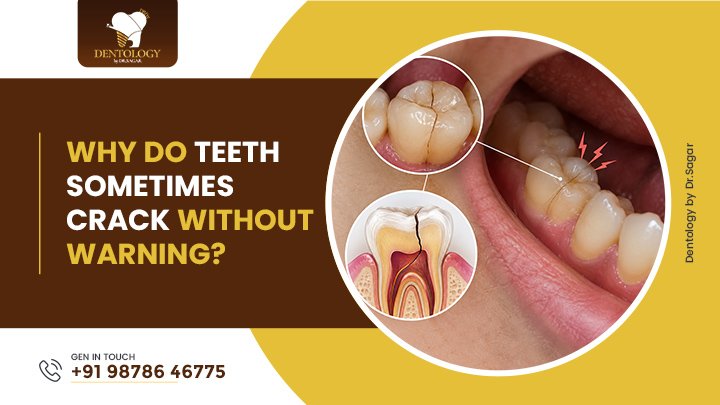
Have you ever bitten into something and suddenly felt a sharp pain in one of your teeth? You may check the tooth and find no visible damage, yet the pain returns whenever you bite down. This can happen with a cracked tooth.
Although a tooth may seem to crack without warning, the damage often develops gradually. Years of chewing pressure, teeth grinding, large fillings, ageing, or an accidental injury can weaken a tooth. Sometimes, biting into a hard food is simply the final trigger that makes the crack noticeable.
What Causes a Cracked Tooth?
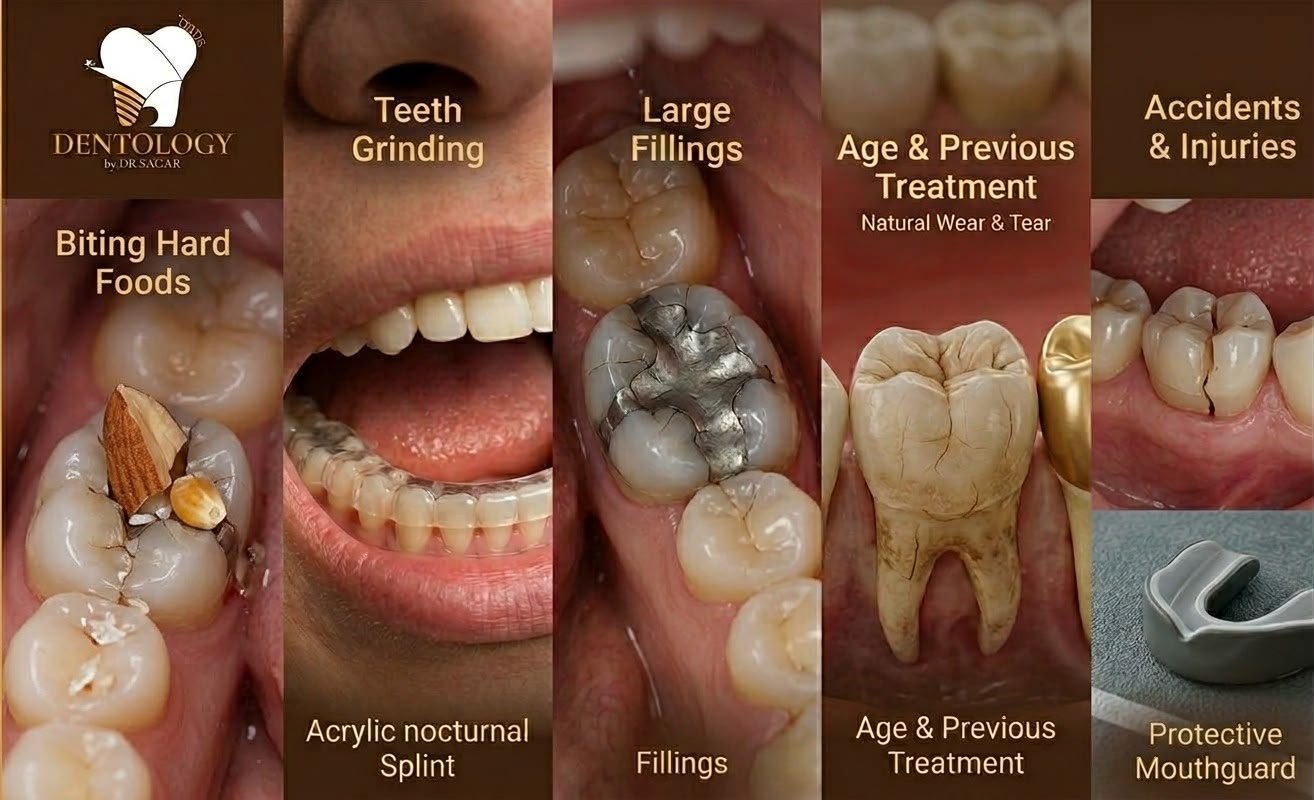
Teeth are designed to withstand significant pressure, but repeated stress can eventually weaken them. Several factors can increase the risk of a cracked tooth.
Biting Hard Foods
Ice, hard candies, nuts, and unpopped popcorn kernels can put excessive pressure on a tooth. Repeatedly chewing hard foods may contribute to small cracks that become larger over time.
Teeth Grinding
Grinding or clenching your teeth places considerable pressure on the enamel and underlying tooth structure. If you grind your teeth while sleeping, you may not realise how much stress your teeth are experiencing.
Large Fillings
A tooth with a large filling may have less natural structure left to support it. Over time, normal chewing forces can place stress on the remaining tooth and increase the possibility of a cracked tooth.
Age and Previous Dental Treatment
Teeth experience years of chewing forces and temperature changes. As we get older, the risk of cracks can increase. Teeth that have already undergone extensive treatment may also require additional protection.
Accidents and Injuries
A blow to the mouth from a fall, sports injury, or accident can cause a tooth to crack. The damage may not always be obvious immediately.
What Does a Cracked Tooth Feel Like?
The symptoms of a cracked tooth can vary. Some people experience sharp pain when biting down or releasing their bite. Others notice sensitivity to hot or cold foods and drinks.
Common signs include:
- Pain when chewing
- Sudden sensitivity to cold
- Pain that comes and goes
- Discomfort when biting on one side
- Sensitivity to sweets
- Difficulty identifying which tooth is causing the pain
A crack may be extremely small or located below the gum line, which means you may not be able to see it yourself.
Can a Cracked Tooth Heal Naturally?
Unfortunately, a cracked tooth cannot repair itself like a broken bone. Once a crack develops, continued chewing pressure can cause it to spread.
Treatment depends on the location and severity of the crack. A dentist may recommend a filling, bonding, crown, root canal treatment, or another option depending on how much healthy tooth structure remains.
Getting the tooth checked early can help prevent further damage.
What Happens If You Ignore a Cracked Tooth?
Ignoring the symptoms can allow a cracked tooth to become more serious. The crack may extend deeper into the tooth, allowing bacteria to reach the inner tissues.
This can result in infection, swelling, persistent pain, or damage that makes the tooth difficult or impossible to save.
If the same tooth repeatedly hurts when you chew, it is better to have it examined instead of waiting for a visible piece to break.
How Can You Prevent Cracked Teeth?
You cannot prevent every cracked tooth, but you can reduce unnecessary stress on your teeth.
Avoid chewing ice and very hard objects. Do not use your teeth to open packets or bite non-food items. If you grind or clench your teeth, speak to your dentist about suitable protection.
Regular dental check-ups can also help identify weakened teeth, worn fillings, and other problems before they become more serious.
When Should You See a Dentist?
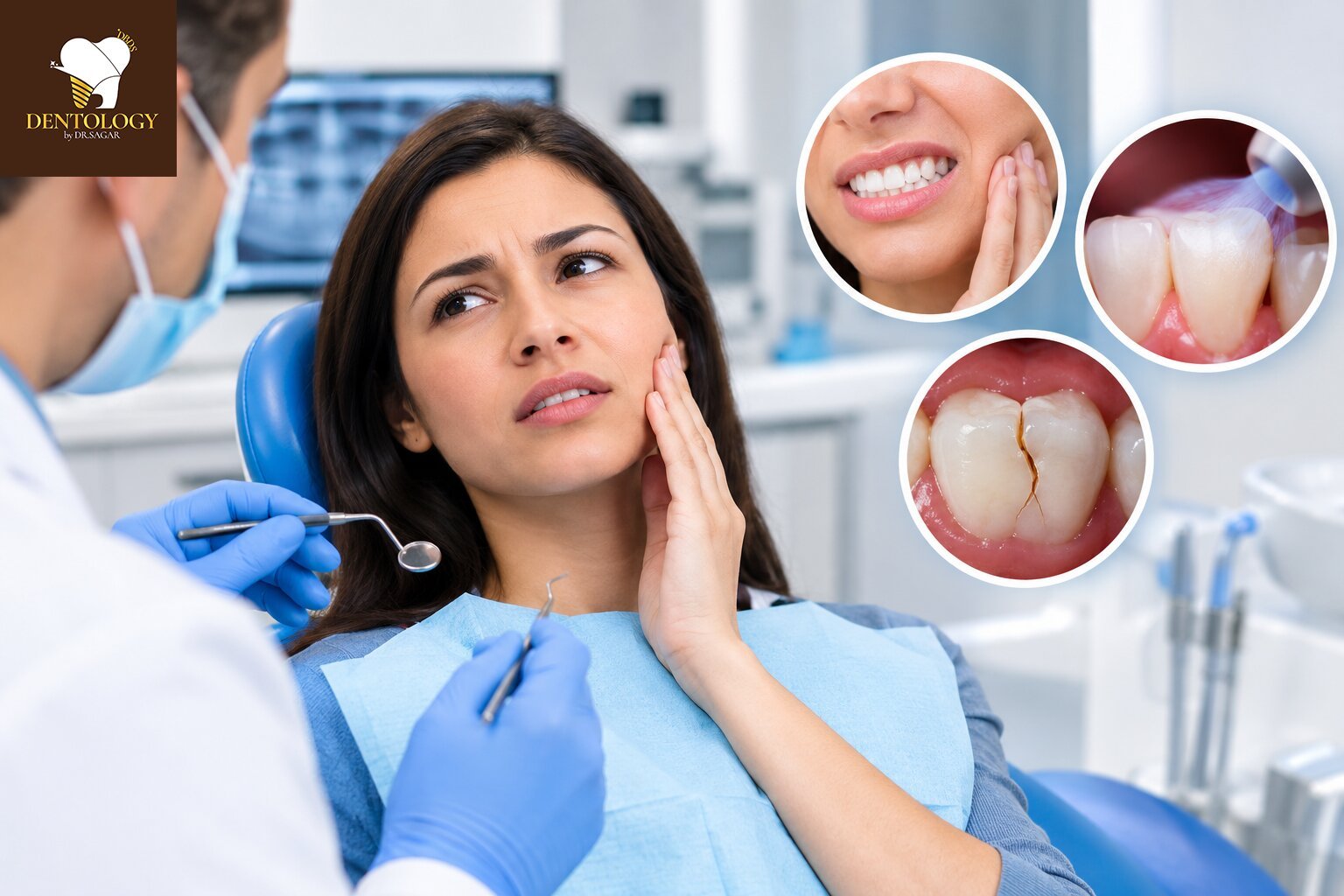
Do not wait until a tooth breaks completely. If you experience repeated pain while chewing, unexplained sensitivity, or discomfort in one particular tooth, arrange a dental examination.
A cracked tooth can become more difficult to treat when diagnosis is delayed. Early assessment gives your dentist a better opportunity to protect the natural tooth.
Need to Get a Cracked Tooth Checked?
If you have sharp pain when biting or unexplained sensitivity, book a dental consultation with Dentology by Dr.Sagar. A proper examination can help identify the cause of your symptoms and determine the right treatment for your tooth.
Book your dental consultation today and get your tooth checked before a small crack becomes a bigger problem.
 Call: +91 98786 46775
Frequently Asked Questions
Can a tooth crack without pain?
Yes. A small cracked tooth may initially cause little or no pain. Symptoms can appear later as the crack becomes larger or affects the inner part of the tooth.
Can a cracked tooth be saved?
In many cases, yes. The possibility of saving a cracked tooth depends on how deep and where the crack is located. Early diagnosis can provide more treatment options.
Why does my tooth hurt only when I bite?
Pain that occurs specifically while biting can be a sign of a crack. The pressure can cause the cracked parts of the tooth to move slightly, irritating the sensitive tissues inside.
Can a cracked tooth cause an infection?
Yes. If the crack allows bacteria to reach the inner part of the tooth, an infection can develop. Swelling, severe pain, or sensitivity that persists should be assessed promptly.