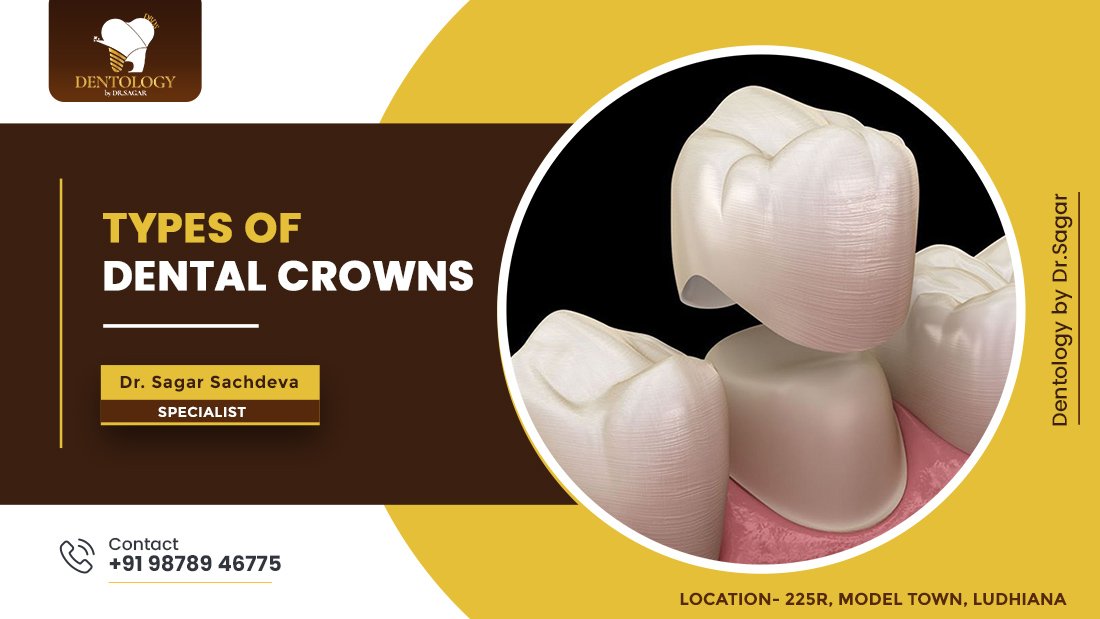
Dental crowns are a popular solution for damaged or decayed teeth. They’re like protective caps that cover your tooth, restoring its shape, size, and strength. Let’s explore the different types of dental crowns available today.
Porcelain Crowns
Porcelain crowns are a top choice for many patients. They look just like natural teeth. These crowns are perfect for front teeth. They’re strong and can last for many years. However, they can chip if you’re not careful. Porcelain crowns are also stain-resistant.
Ceramic Crowns
Ceramic crowns are similar to porcelain. They look very natural and are great for people with metal allergies. These crowns are durable and resist staining. They’re a good choice for both front and back teeth. Ceramic crowns can be made to match your other teeth perfectly.
Metal Crowns
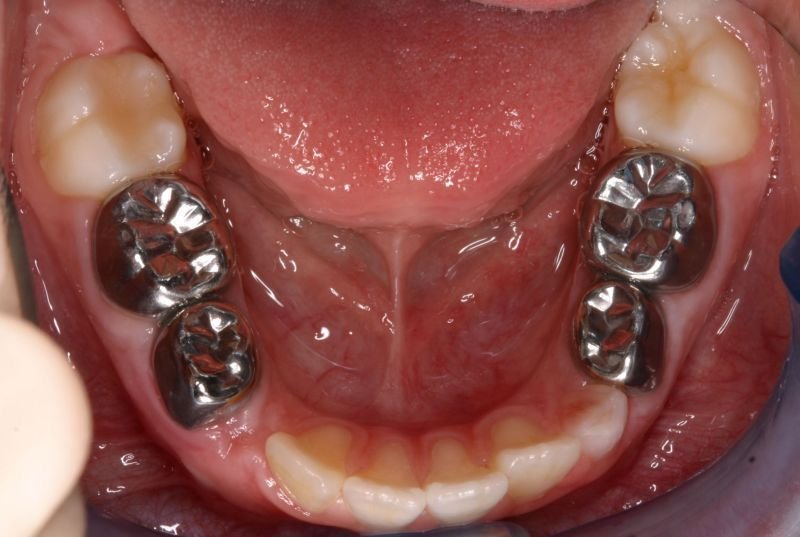
Metal crowns are the strongest option. They’re made from gold, platinum, or base-metal alloys. These crowns rarely chip or break. They last the longest but don’t look like natural teeth. They’re often used for back molars where appearance isn’t as important. Metal crowns require less tooth structure to be removed.
Porcelain-Fused-to-Metal Crowns
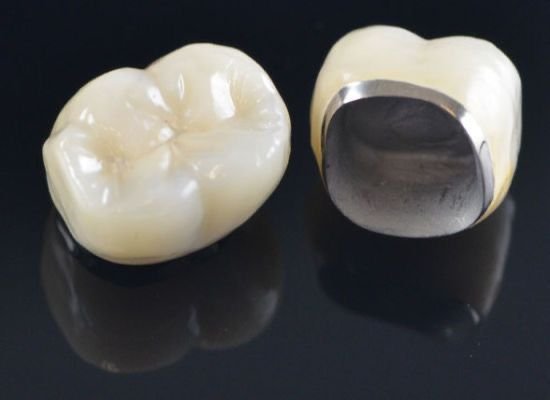
These crowns combine strength and look. They have a metal base covered with porcelain. This makes them stronger than all-porcelain crowns. The downside is that the metal can sometimes show through as a dark line. These crowns are a good option for bridges where extra strength is needed.
Stainless Steel Crowns
These are temporary crowns. They’re used mostly for children’s teeth. They protect the tooth until the permanent tooth comes in. For adults, they’re used as a short-term fix while a permanent crown is being made. Stainless steel crowns are cost-effective and require only one dental visit.
Zirconia Crowns
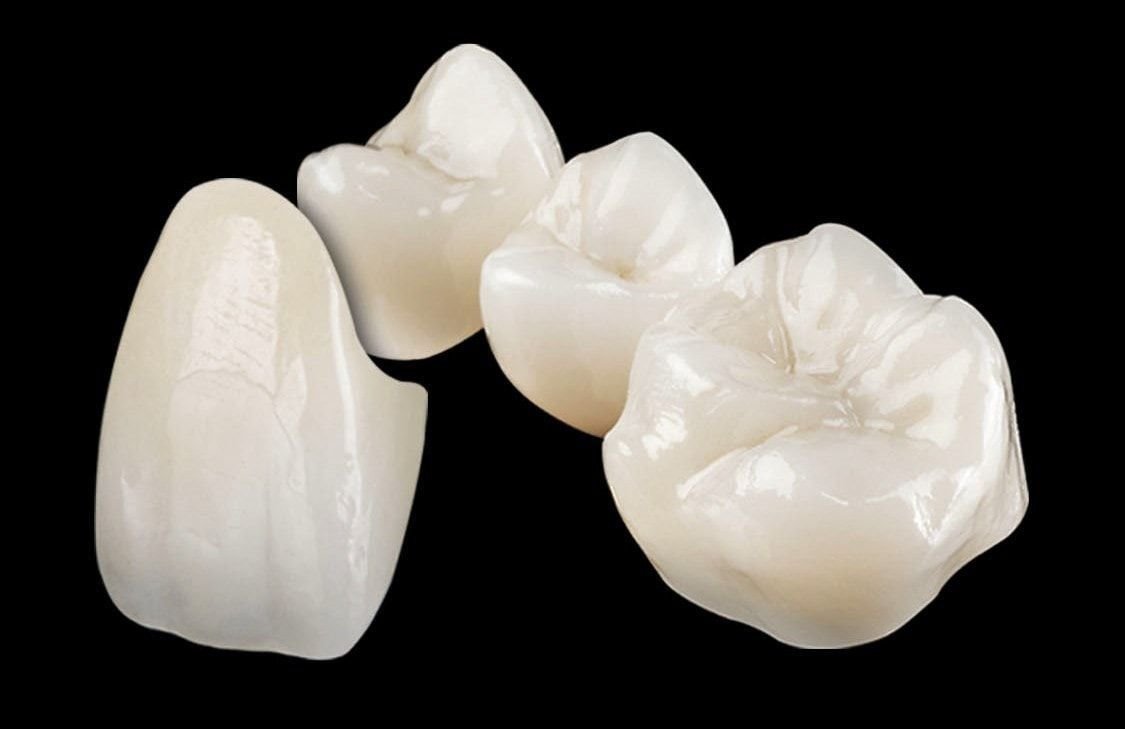
Zirconia is a newer material for crowns. It’s very strong and durable. These crowns look natural and are less likely to chip than porcelain. They’re a good option for both front and back teeth.
E-max Crowns
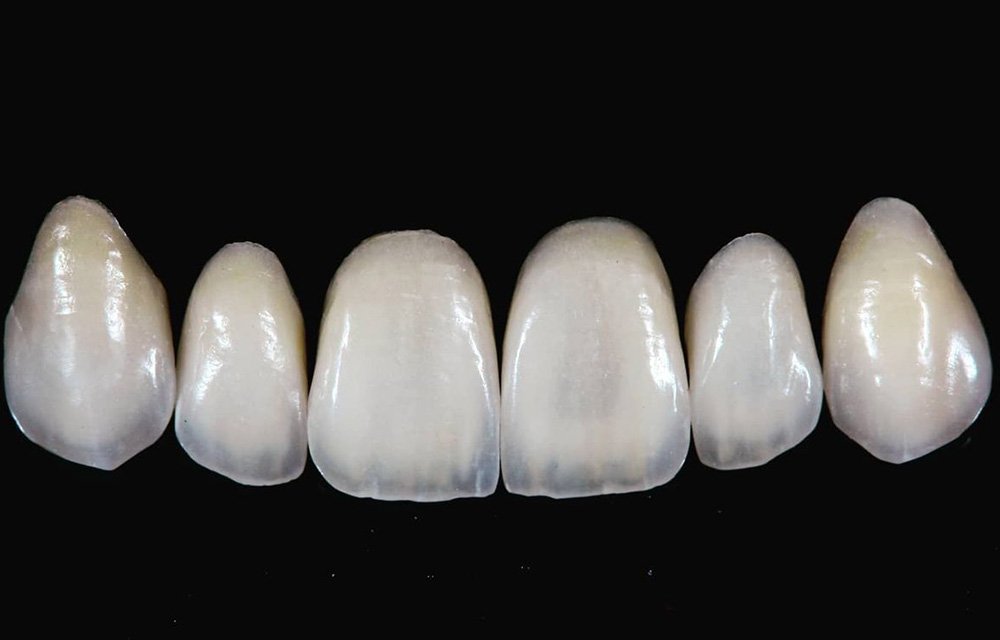
E-max crowns are made from lithium disilicate glass ceramic. They’re known for their strength and natural appearance. These crowns are thinner than other types, which means less tooth reduction is needed. E-max crowns are highly translucent, giving them a very natural look.
Resin Crowns
Resin crowns are less expensive than other types. They’re not as durable and may wear down over time. However, they’re a good temporary solution. Resin crowns can be made quickly and are easy to repair if damaged.
Choosing the Right Crown
The best crown for you depends on several factors:
- Which tooth needs the crown
- How visible the tooth is when you smile
- The color of your surrounding teeth
- How much of your natural tooth remains
- Your personal preference
- Your budget
- Your bite and chewing habits
Your dentist will help you choose the best option. They’ll consider your needs and explain the pros and cons of each type.
The Crown Procedure
Getting a crown usually takes two visits. On the first visit, your dentist prepares the tooth and makes an impression. You’ll get a temporary crown. In the second visit, the permanent crown is placed.
Caring for Your Crown
No matter which type you choose, proper care is important. Brush twice a day and floss daily. Avoid biting hard objects. This can damage your crown. Regular dental check-ups are crucial to ensure your crown stays in good shape. With good care, your crown can last 10-15 years or even longer.
Conclusion
Dental crowns are a versatile solution for many dental problems. They can restore your smile and improve your oral health. With so many options, you can find the perfect crown for your needs. Remember, the key to a healthy smile is regular dental care and timely treatment.
Are you considering a dental crown? Don’t wait to improve your smile! Contact Dentology by Dr. Sagar today. Our expert team will guide you through the process and help you choose the best crown for your unique needs. Call us now to schedule your consultation. Your perfect crown is just a phone call away!