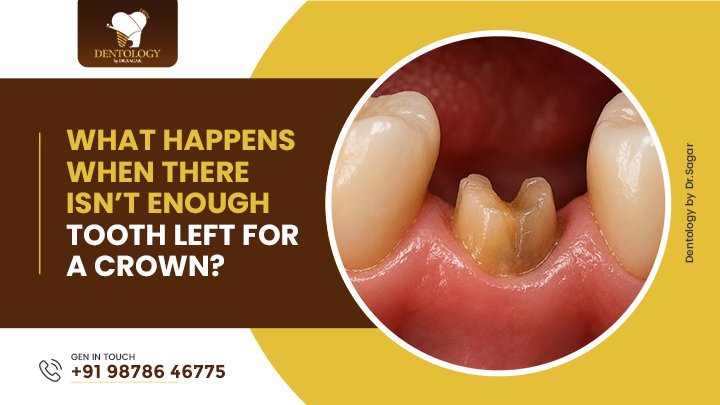
A dental crown is one of the best ways to restore a damaged or weakened tooth. However, many patients are surprised to learn that a crown cannot always be placed immediately. If too much of the natural tooth has been lost due to decay, fracture, or previous dental work, there may not be enough healthy tooth structure left to securely support a crown.
At Dentology by Dr. Sagar, Ludhiana, we carefully evaluate every tooth before recommending a crown. Our goal is to preserve your natural tooth whenever possible while ensuring your restoration is strong, functional, and long-lasting.
Why Does a Crown Need Healthy Tooth Structure?
A dental crown works like a protective cap that fits securely over a prepared tooth. For the crown to stay in place and function properly, there must be enough healthy tooth remaining to support it.
Without adequate tooth structure, the crown may:
- Become loose over time
- Break or crack
- Fall off while eating
- Allow bacteria to enter beneath the crown
- Fail much sooner than expected
A stable foundation is essential for the long-term success of any crown.
What Causes a Tooth to Lose Too Much Structure?
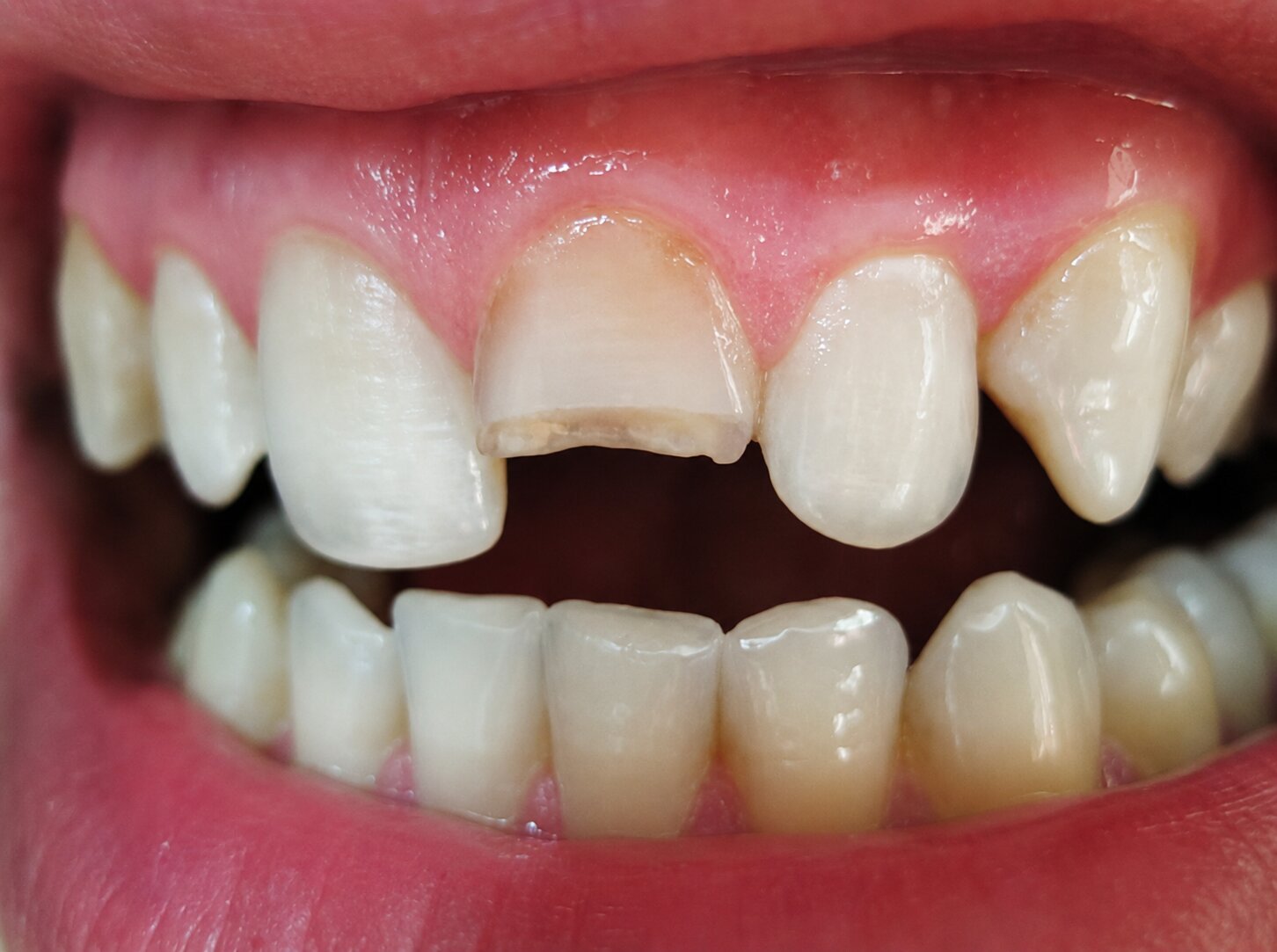
Several dental conditions can leave a tooth too damaged to support a crown.
Common causes include:
- Large untreated cavities
- Deep tooth fractures
- Multiple old fillings
- Tooth wear from grinding (bruxism)
- Trauma or accidents
- Severe decay beneath an old crown
- Extensive damage after root canal treatment
Early treatment often preserves more of the natural tooth.
How Does a Dentist Decide If a Crown Is Possible?
Before placing a crown, your dentist performs a thorough examination.
This may include:
- Clinical dental examination
- Digital dental X-rays
- Bite analysis
- Assessment of gum health
- Evaluation of the remaining tooth structure
The amount of healthy tooth above the gum line is one of the most important factors in determining whether a crown will be successful.
What Are the Treatment Options?
If there isn’t enough tooth left, several procedures may help save the tooth before placing a crown.
1. Core Build-Up
A core build-up rebuilds the missing part of the tooth using a strong dental material. This creates a solid foundation for the crown.
It is commonly recommended after:
- Large cavities
- Root canal treatment
- Broken teeth
2. Post and Core
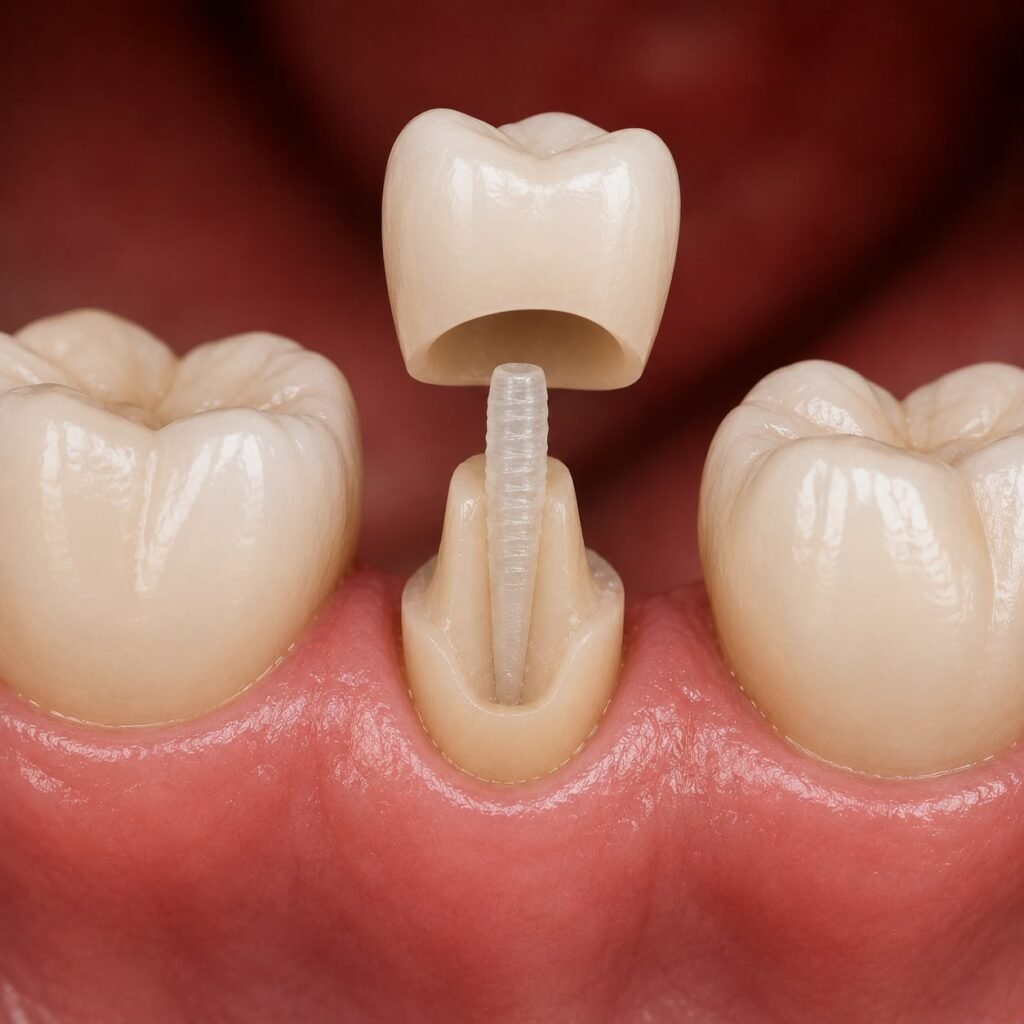
If very little tooth remains after a root canal, a post may be placed inside the root canal to support a core build-up.
This provides additional stability before the crown is placed.
3. Crown Lengthening
Sometimes healthy tooth structure exists below the gum line.
A crown lengthening procedure gently reshapes the surrounding gum and, if necessary, a small amount of bone to expose more natural tooth.
This allows the crown to fit securely.
4. Orthodontic Extrusion
In selected cases, orthodontic treatment can slowly move the damaged tooth slightly above the gum line, creating enough healthy tooth structure for restoration.
Although less common, this option may help save certain teeth.
5. Tooth Extraction and Replacement
If the tooth cannot be restored safely, extraction may be the healthiest long-term solution.
Replacement options include:
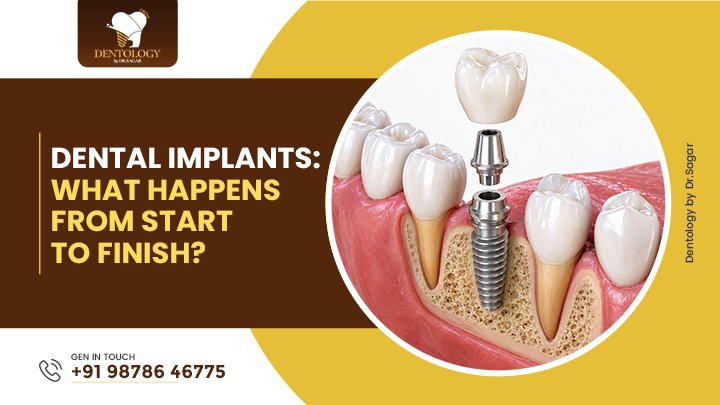
- Dental implants
- Dental bridges
- Partial dentures
Your dentist will recommend the option best suited to your oral health and lifestyle.
Can Every Tooth Be Saved?
Unfortunately, not every damaged tooth can be restored.
A tooth may need removal if it has:
- A vertical root fracture
- Severe bone loss
- Extensive decay below the gum line
- Poor long-term prognosis
- Inadequate healthy tooth structure for restoration
Whenever possible, preserving the natural tooth remains the preferred treatment.
How Can You Prevent Losing Tooth Structure?
Protecting your natural teeth starts with preventive care.
Helpful habits include:
- Brush twice daily with fluoride toothpaste.
- Floss every day.
- Attend regular dental check-ups.
- Treat cavities early.
- Wear a night guard if you grind your teeth.
- Avoid chewing ice and very hard objects.
- Visit your dentist immediately after dental trauma.
Early intervention often prevents the need for complex restorative procedures.
Expert Restorative Dentistry at Dentology by Dr. Sagar
At Dentology by Dr. Sagar, Model Town, Ludhiana, we specialise in preserving natural teeth using advanced restorative techniques. Whether you need a core build-up, post and core, crown lengthening, or a custom dental crown, our experienced team creates personalised treatment plans designed for long-term success.
We focus on saving teeth whenever possible while ensuring every restoration is strong, comfortable, and aesthetically pleasing.
📞 Call: +91 98786 46775
If you’ve been told there isn’t enough tooth left for a crown, don’t lose hope. Schedule a consultation with Dentology by Dr. Sagar to explore the best treatment options for restoring your smile.
Frequently Asked Questions
1. Can a crown be placed if most of the tooth is missing?
Yes, in many cases. Procedures such as a core build-up, post and core, or crown lengthening can create enough support for a dental crown.
2. What is a core build-up?
A core build-up is a restorative procedure that rebuilds the damaged part of a tooth, providing a strong foundation for a dental crown.
3. When is a post and core needed?
A post and core is usually recommended after a root canal when very little natural tooth structure remains to support a crown.
4. What if my tooth cannot support a crown?
If the tooth cannot be restored safely, your dentist may recommend extraction followed by a dental implant, bridge, or partial denture.
5. How can I prevent losing too much tooth structure?
Regular dental check-ups, early treatment of cavities, good oral hygiene, and protecting your teeth from grinding or injury can help preserve natural tooth structure.