At Dentology by Dr Sagar, we believe in empowering our patients with knowledge about oral health issues, enabling them to make informed decisions about their dental care. One of the most common dental problems we encounter is dental caries, also known as tooth decay or cavities. In this comprehensive guide, we’ll dive deep into the world of dental caries, exploring its causes, symptoms, prevention techniques, and treatment options.
What is Dental Caries?
Dental caries is a chronic, infectious disease that results in the destruction of tooth structure. It occurs when the minerals in your tooth enamel are dissolved by acids produced by bacteria present in dental plaque. If left untreated, this process can lead to the formation of cavities, which can penetrate deeper into the tooth, potentially causing pain, infection, and even tooth loss.
Causes of Dental Caries
The primary cause of dental caries is the presence of specific types of bacteria in the mouth. These bacteria feed on sugars and starches from the foods and beverages we consume, producing acids as a byproduct. Over time, these acids can erode the enamel, the hard outer layer of the tooth, creating an environment conducive to cavity formation.

Other factors that contribute to the development of dental caries include:
- Poor oral hygiene: Inadequate brushing and flossing allow plaque and bacteria to accumulate on the teeth, increasing the risk of cavities.
- Diet: A diet high in sugary and starchy foods provides fuel for the acid-producing bacteria, accelerating the decay process.
- Dry mouth: Saliva plays a crucial role in neutralizing acids and remineralizing tooth enamel. Conditions that cause dry mouth, such as certain medications or radiation therapy, can increase the risk of cavities.
- Genetics: Some individuals may be genetically predisposed to tooth decay due to variations in enamel composition or salivary flow.
Symptoms of Dental Caries
In the early stages, dental caries may not present any noticeable symptoms. As the condition progresses, you may experience the following:
- Tooth sensitivity: You may feel discomfort or pain when consuming hot, cold, or sweet foods and beverages.
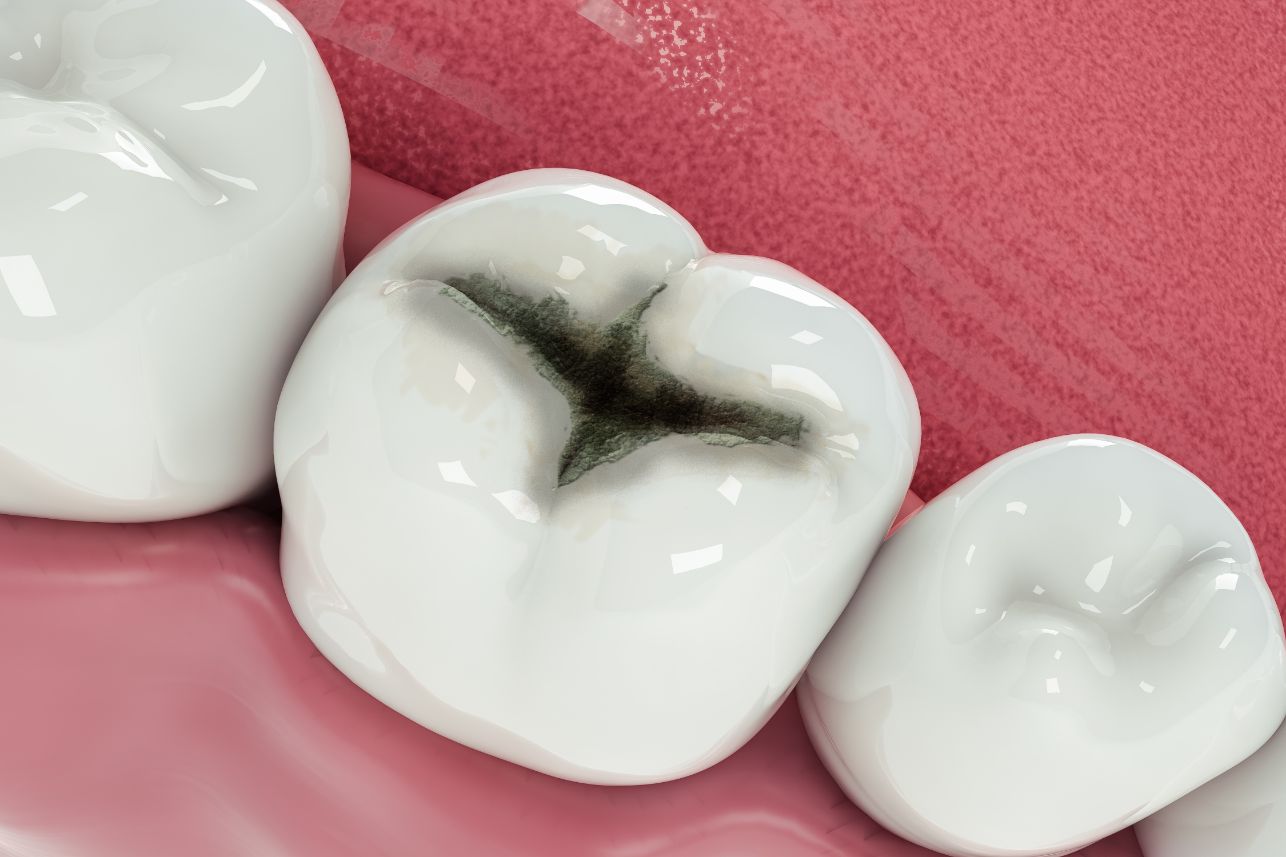
- Visible holes or pits: As the decay process continues, you may notice visible cavities or holes in your teeth.
- Tooth discoloration: The affected area of the tooth may appear yellow, brown, or black.
- Pain or discomfort: As the decay reaches the inner layers of the tooth, you may experience persistent toothache or pain when biting or chewing.
Prevention and Treatment
At Dentology by Dr Sagar, we believe in a proactive approach to dental care. Here are some effective strategies we recommend:
- Maintain good oral hygiene: Brush your teeth twice a day with fluoride-containing toothpaste and floss daily to remove plaque and food debris.
- Adopt a balanced diet: Limit your intake of sugary and starchy foods, and opt for a diet rich in fruits, vegetables, and dairy products.
- Use fluoride products: Fluoride helps strengthen tooth enamel, making it more resistant to acid attacks.
- Regular dental check-ups: Regular visits to Dentology by Dr Sagar allow our dental team to monitor your oral health, detect early signs of decay, and provide prompt treatment when necessary.
Various Treatment Options
If dental caries is detected, our team at Dentology by Dr Sagar offers a range of treatment options depending on the severity of the condition. These may include:
- Fillings: For mild to moderate cavities, our dentists can remove the decayed portion of the tooth and restore it with a dental filling material, such as composite resin or amalgam.
- Root canal treatment: If the decay has reached the inner pulp of the tooth, a root canal procedure may be required to save the tooth and prevent further infection.
- Crowns or caps: In cases of extensive decay or after a root canal treatment, a dental crown or cap may be placed over the remaining tooth structure to restore its strength and appearance.
- Extractions: In severe cases where the tooth cannot be saved, our dentists may recommend extracting the affected tooth and discussing replacement options, such as dental implants or bridges.
At Dentology by Dr Sagar, we understand that dental caries can be a concerning issue for our patients. However, with our expertise, state-of-the-art technology, and commitment to personalized care, we are dedicated to helping you maintain optimal oral health and prevent future occurrences of tooth decay. If you have any concerns or questions about dental caries or would like to schedule an appointment, please visit our website or call us at +91 98786 46775