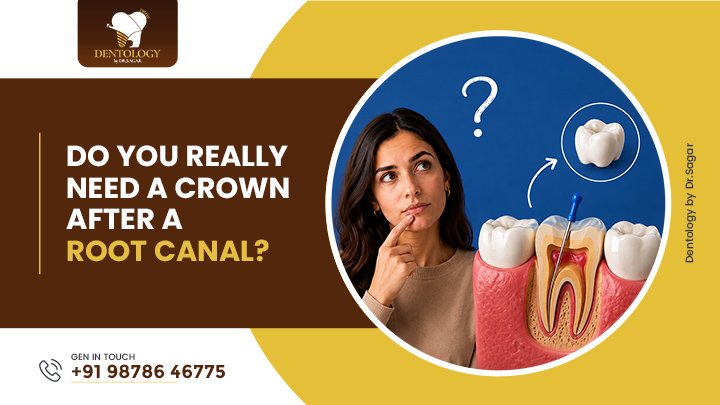
One of the most common questions patients ask after a root canal treatment is, “Do I really need a crown now?” Since the pain is gone and the tooth feels normal again, many people assume the treatment is complete. However, in most cases, placing a dental crown after a root canal is extremely important for protecting the tooth long-term.
At Dentology by Dr. Sagar, Ludhiana, we help patients understand why a crown is often the final and essential step after root canal treatment.
What Happens to a Tooth After a Root Canal?
A root canal removes infected or damaged pulp from inside the tooth. While this saves the tooth from extraction, the tooth itself becomes weaker afterward.
Why does this happen?
- The infected inner tissue is removed
- The tooth loses some internal strength
- Large cavities or old fillings may already weaken it
- The tooth becomes more brittle over time
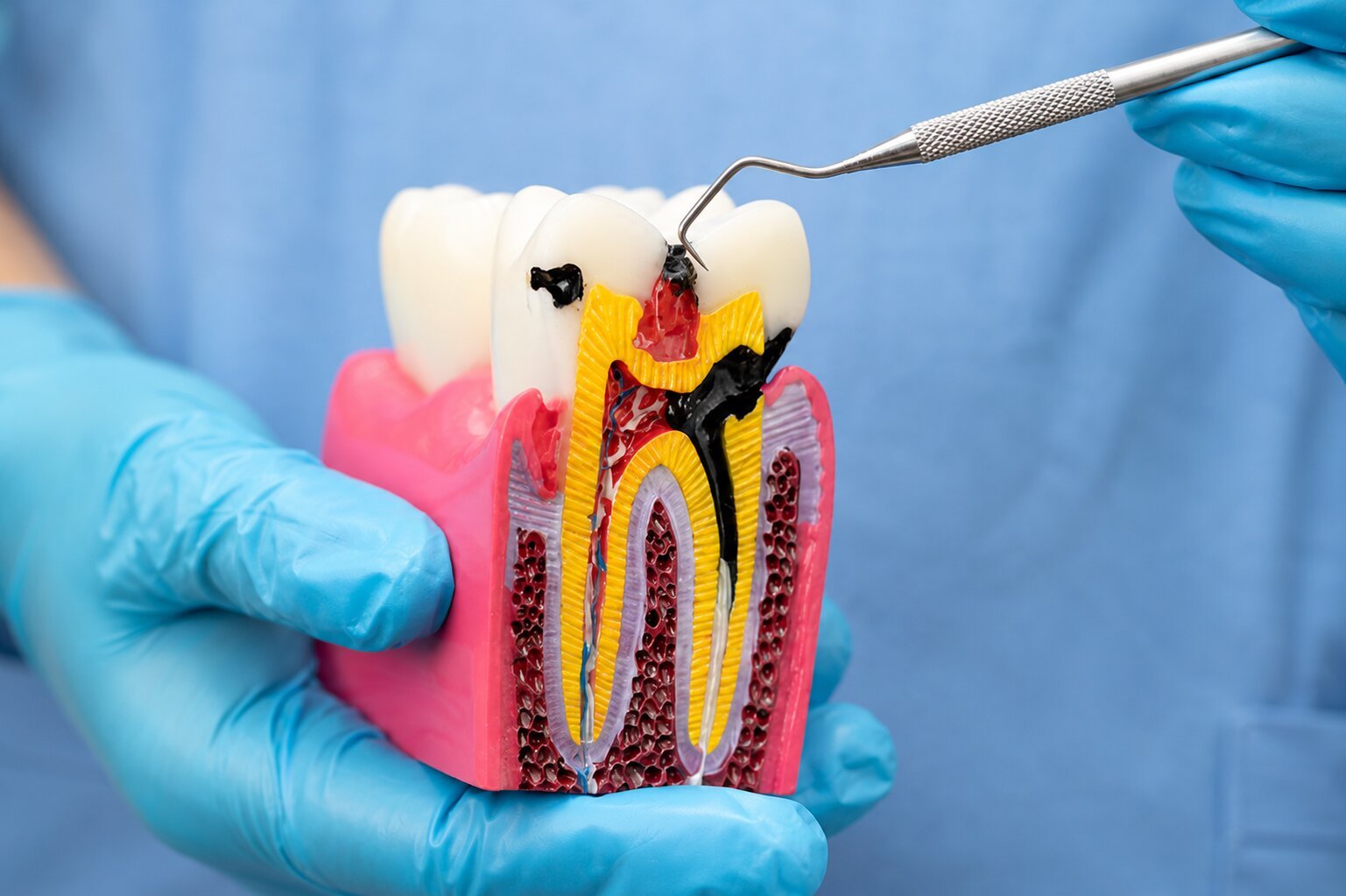
Without proper protection, the tooth can crack or break during normal chewing.
What Does a Dental Crown Do?
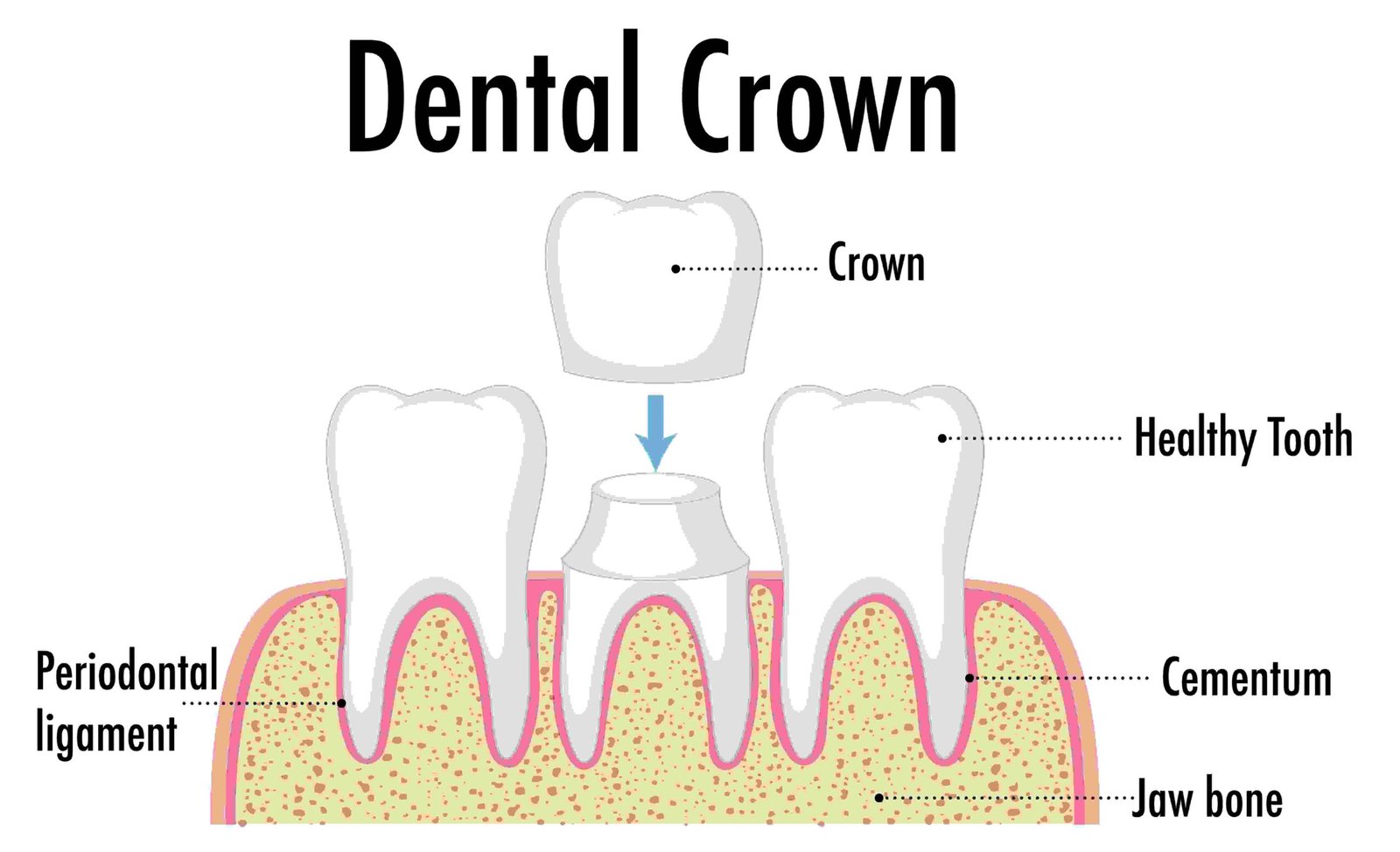
A dental crown is a custom-made cap that covers the entire tooth.
Its purpose is to:
- Protect the tooth from fractures
- Restore chewing strength
- Improve appearance
- Seal the tooth from bacteria
- Extend the lifespan of the treated tooth
Think of a crown as a protective shield for a weakened tooth.
Is a Crown Always Necessary After a Root Canal?
In many cases, yes, especially for back teeth.
Teeth that usually need crowns include:
- Molars
- Premolars
- Teeth with large fillings
- Severely damaged or cracked teeth
Back teeth handle strong chewing pressure every day. Without a crown, they are at a much higher risk of breaking.
When a Crown May Not Be Needed
Sometimes, front teeth may not require crowns immediately.
This depends on:
- How much natural tooth structure remains
- The strength of the tooth
- Bite pressure
- Cosmetic needs
If the tooth is healthy and minimally damaged, a filling may sometimes be enough. However, every case is different and should be evaluated carefully.
What Happens If You Skip the Crown?
Many patients delay getting a crown because the tooth no longer hurts. Unfortunately, pain relief does not mean the tooth is fully protected.
Without a crown, the tooth may:
- Crack suddenly while eating
- Break beyond repair
- Develop leakage or reinfection
- Need extraction later
In some cases, delaying the crown can undo the success of the root canal treatment itself.
How Long Should You Wait to Get the Crown?
It is usually best to place the crown as soon as possible after the root canal is completed.
Why timing matters:
- The tooth remains vulnerable after treatment
- Temporary fillings are not meant for long-term use
- Delaying increases fracture risk
Early crown placement helps preserve the tooth for many years.
Benefits of Getting a Crown After Root Canal Treatment
A crown helps by:
- Strengthening the treated tooth
- Restoring normal function
- Improving smile aesthetics
- Preventing future complications
- Increasing long-term durability
With proper care, a crowned root canal-treated tooth can last for many years.
Expert Root Canal and Crown Care at Dentology by Dr. Sagar
At Dentology by Dr. Sagar, Ludhiana, we provide precise root canal treatment and high-quality dental crowns designed for strength, comfort, and natural appearance.
Our goal is not just to remove pain, but to help you keep your tooth healthy and functional for the long term.
Saving your tooth is only the first step. Protecting it properly is what makes the treatment last.
FAQs
Why is a crown needed after a root canal?
A crown protects the weakened tooth from cracking and restores strength after root canal treatment.
Can I skip the crown after a root canal?
Skipping the crown increases the risk of tooth fracture, reinfection, and possible tooth loss later.
Do all root canal-treated teeth need crowns?
Not always. Front teeth with minimal damage may not require crowns, but back teeth usually do.
How long after a root canal should I get a crown?
It is best to get the crown placed as soon as possible to protect the tooth from damage.
How long does a crown last after root canal treatment?
With proper care and regular dental visits, crowns can last 10–15 years or longer.v