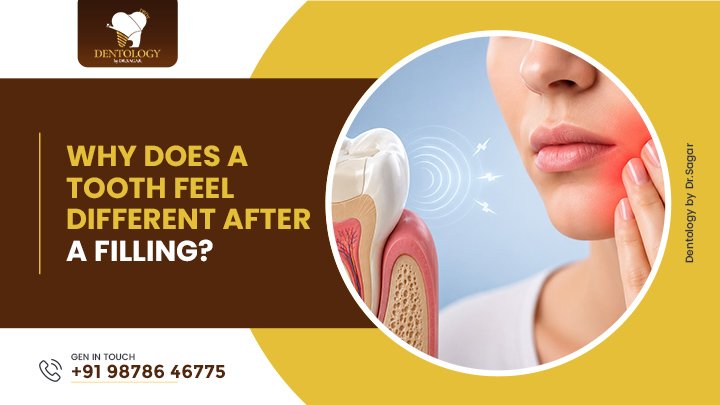
Getting a dental filling is one of the most common and effective ways to treat tooth decay. After the procedure, many patients notice that the treated tooth feels different. It may feel slightly higher when you bite, sensitive to hot or cold foods, or simply unusual because you’re becoming aware of the newly restored tooth.
In most cases, these sensations are completely normal and improve within a few days. However, if the discomfort persists or worsens, it may indicate that your filling needs adjustment or that another dental issue is present.
At Dentology by Dr. Sagar, Ludhiana, we help patients understand what to expect after a filling and when it’s time to seek professional advice.
Is It Normal for a Tooth to Feel Different After a Filling?

Yes. A filled tooth often feels different immediately after treatment because your tooth and surrounding tissues are adjusting to the restoration.
You may notice:
- Mild sensitivity to hot or cold foods
- Slight discomfort while chewing
- A feeling that the tooth is “higher” than the others
- Temporary tenderness around the treated area
These symptoms usually settle within a few days to two weeks.
Common Reasons Your Tooth Feels Different
1. Your Bite May Need a Small Adjustment
If the filling is slightly higher than your natural bite, the tooth may receive extra pressure every time you chew.
Signs include:
- Tooth feels tall
- Pain when biting down
- Discomfort while chewing
A simple bite adjustment by your dentist can usually solve the problem in just a few minutes.
2. Temporary Tooth Sensitivity
During cavity removal, the tooth is cleaned before the filling is placed. This process can temporarily irritate the nerve inside the tooth.
You may experience sensitivity to:
- Cold drinks
- Hot beverages
- Sweet foods
- Cold air
This sensitivity usually improves as the tooth heals.
3. The Tooth Was Deeply Decayed
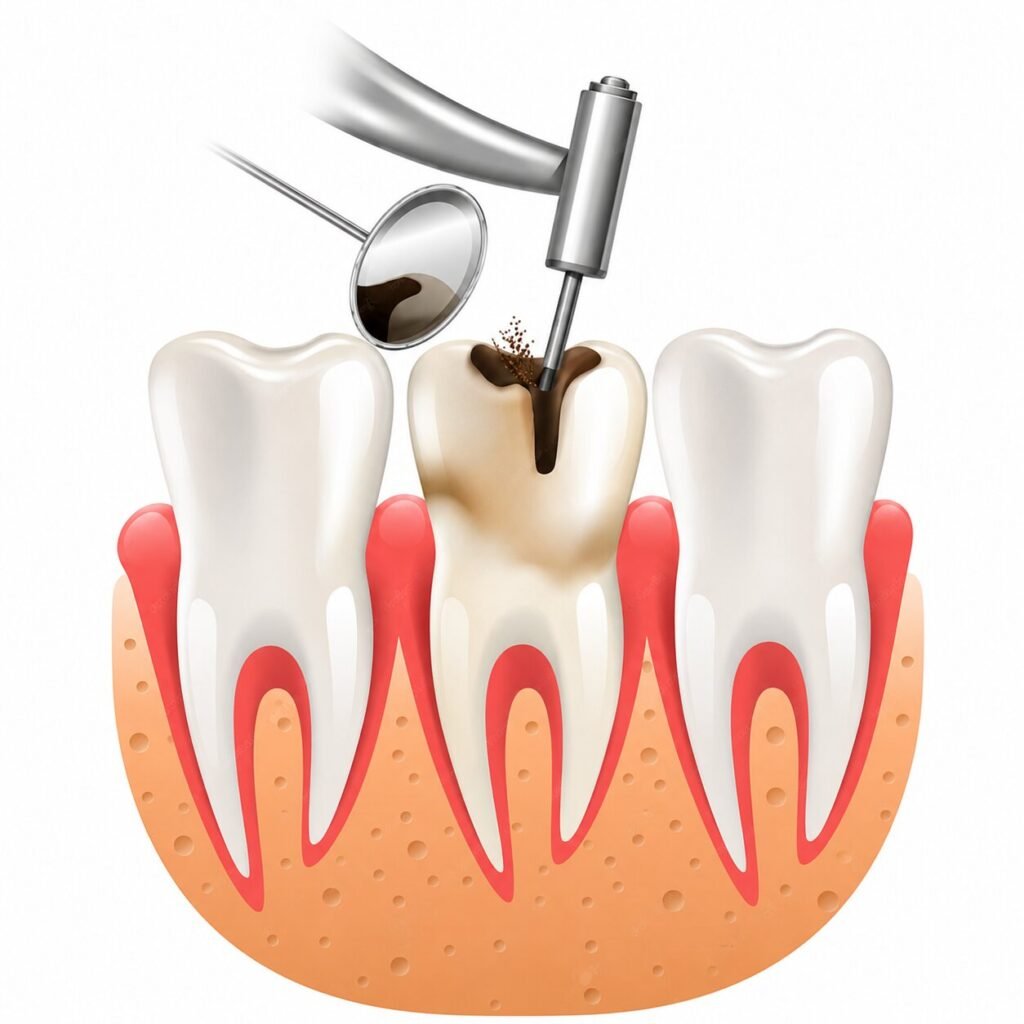
If the cavity was close to the nerve, the tooth may take longer to recover.
In these cases, mild discomfort is expected while the nerve settles. Your dentist will monitor the tooth during follow-up visits.
4. Your Brain Is Adjusting
Your tongue is extremely sensitive and quickly notices even tiny differences in the shape of a restored tooth.
Many patients simply need a few days to become accustomed to the new filling.
When Should You Contact Your Dentist?
While mild discomfort is normal, you should schedule a dental appointment if you notice:
- Severe or increasing pain
- Pain that lasts longer than two weeks
- Difficulty chewing
- The filling feels loose
- A cracked filling
- Persistent sensitivity that is getting worse
- Swelling around the tooth
These symptoms may indicate that the filling needs adjustment or further treatment.
How Long Does It Take to Feel Normal?
Recovery varies from person to person.
Most patients experience:
- Mild discomfort for 1-3 days
- Sensitivity for up to two weeks
- Complete adaptation within a few weeks
If symptoms continue beyond this period, a dental examination is recommended.
Tips for a Smooth Recovery After a Filling
You can help your tooth recover by following these simple steps:
- Avoid very hot or icy foods for the first 24 hours.
- Chew on the opposite side if the tooth feels tender.
- Brush gently using a soft-bristled toothbrush.
- Floss carefully around the filled tooth.
- Avoid chewing hard foods until the numbness has completely worn off.
- Attend follow-up appointments if advised.
Proper care helps your filling last longer and keeps your tooth healthy.
Can a Filling Last for Many Years?
Yes. Modern tooth-coloured fillings are designed to be durable and long-lasting.
Their lifespan depends on:
- The size of the filling
- Your oral hygiene
- Diet
- Teeth grinding habits
- Regular dental check-ups
Routine dental visits allow your dentist to monitor the condition of your fillings before problems develop.
Expert Tooth-Coloured Fillings at Dentology by Dr. Sagar
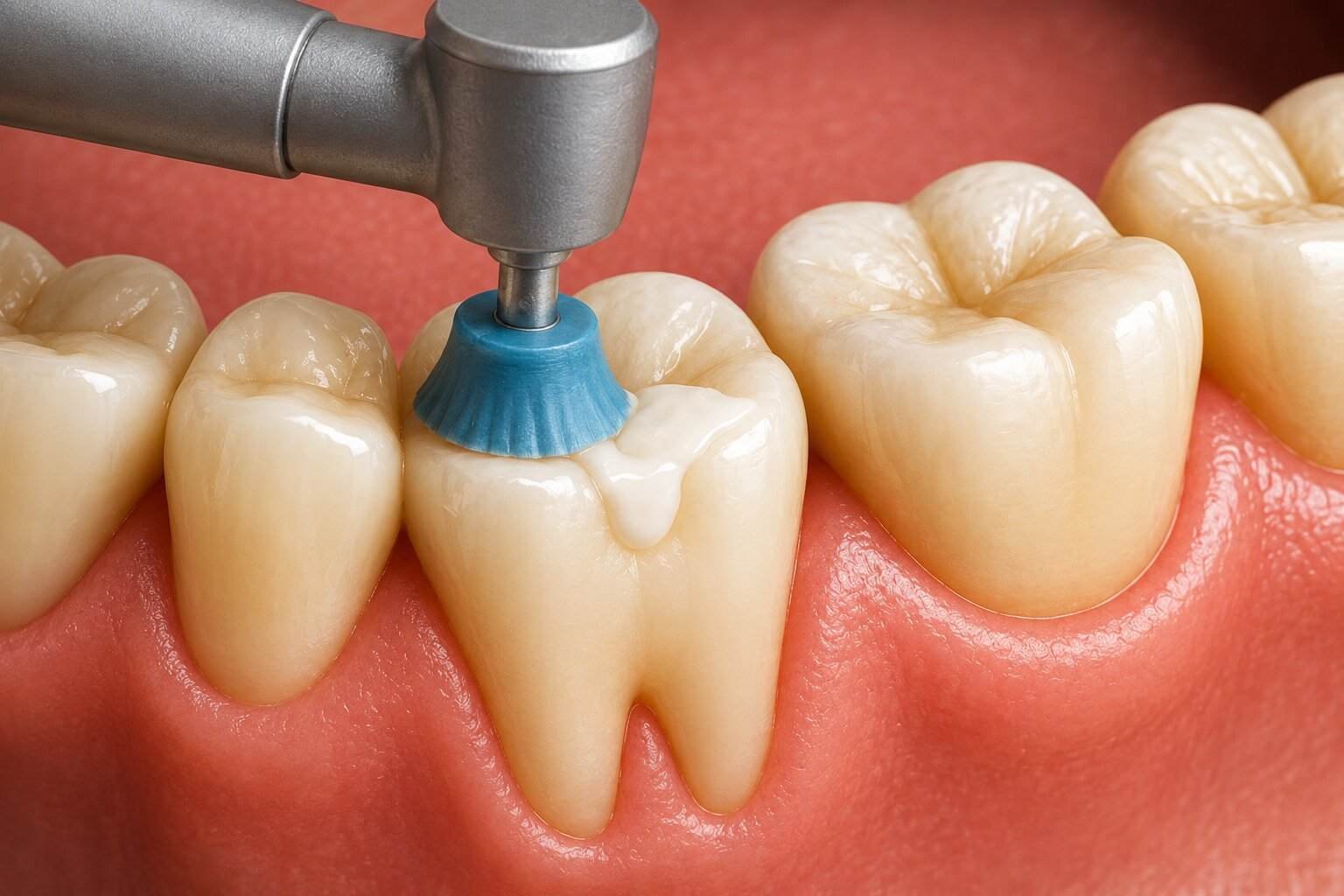
At Dentology by Dr. Sagar, Model Town, Ludhiana, we use high-quality tooth-coloured fillings that restore both function and appearance. Every filling is carefully shaped and polished to provide a comfortable bite and a natural-looking smile.
Whether you need a simple cavity filling or a complete smile restoration, our experienced team is committed to providing gentle, precise, and personalised dental care.
📞 Call: +91 98786 46775
If your tooth still feels unusual after a filling, don’t ignore it. A quick dental check-up can ensure your restoration fits perfectly and keeps your smile healthy for years to come.
FAQs
1. Is it normal for a tooth to feel different after a filling?
Yes. Mild sensitivity or a different bite sensation is common after a filling and usually improves within a few days to two weeks.
2. Why does my filling feel high when I bite?
A filling may be slightly higher than your natural bite, causing discomfort while chewing. Your dentist can quickly adjust it.
3. How long should sensitivity last after a filling?
Most sensitivity settles within one to two weeks. If it persists or worsens, visit your dentist for an evaluation.
4. When should I worry about pain after a filling?
Seek dental care if you experience severe pain, swelling, persistent sensitivity, or pain that lasts longer than two weeks.
5. Can a filling damage the tooth nerve?
Most fillings do not damage the nerve. However, deep cavities close to the nerve may cause temporary irritation, which usually improves with time.